
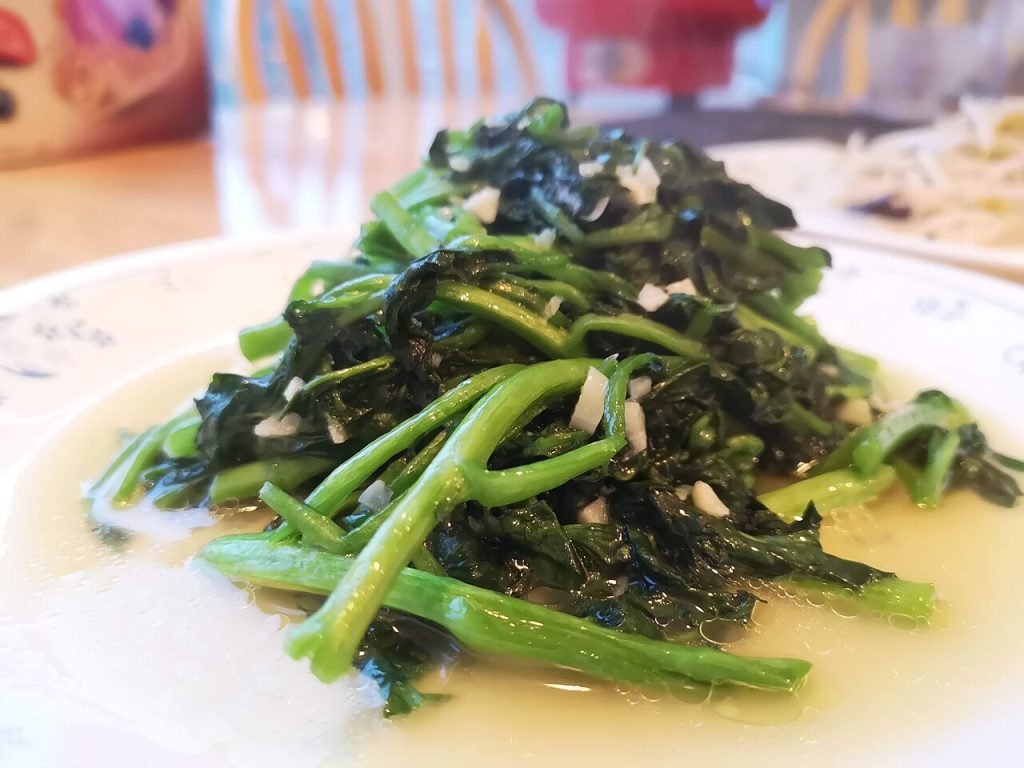
✓ Quick Scientific Takeaway
- Primary Bioactive: Phenethyl Isothiocyanate (PEITC), Gluconasturtiin, Quercetin Glycosides, Lutein, and Bioactive Iodine.
- Physiological Target: PEITC potently inhibits Phase I carcinogen-activating enzymes (CYP2E1) while upregulating <strong>Phase II detoxification enzymes</strong> and directly inducing selective apoptotic pathways in damaged cells while repairing DNA strand breaks.
- Evidence-Based Outcome: Human clinical trials published in the American Journal of Clinical Nutrition prove that consuming 85g of fresh raw watercress daily for 8 weeks significantly reduced basal DNA damage in white blood cells by 22.9% and increased circulating antioxidant carotenoids.
- Optimal Timing Protocol: Consume 1 to 2 cups of fresh raw watercress daily in salads, pestos, sandwiches, or cold soups.
1. Biological Overview & Active Molecular Mechanisms
Watercress (Nasturtium officinale) is an aquatic cruciferous botanical crowned as the #1 most nutrient-dense whole food on the CDC Nutrient Density Index (scoring a perfect 100/100). When raw watercress leaves are chewed, the glucosinolate gluconasturtiin is hydrolyzed by myrosinase into Phenethyl Isothiocyanate (PEITC). In molecular oncology and toxicology, PEITC is celebrated for its dual-action chemopreventive power: it suppresses dangerous cytochrome P450 enzymes while turning on Nrf2 antioxidant enzymes, physically repairing single- and double-strand DNA damage.
PEITC potently inhibits Phase I carcinogen-activating enzymes (CYP2E1) while upregulating Phase II detoxification enzymes and directly inducing selective apoptotic pathways in damaged cells while repairing DNA strand breaks.
2. Evidence-Based Health Benefits & Clinical Research
1. #1 Nutrient-Dense Superfood on Earth (CDC 100/100 Score)
Ranked #1 out of all fruits and vegetables by the CDC for total micronutrient, mineral, and antioxidant density per calorie.
2. 22.9% Reduction in Cellular DNA Strand Damage (AJCN Trial)
Clinically proven in human trials to repair oxidative DNA damage in lymphocytes, protecting cellular genetic code integrity.
3. PEITC Phase I/II Detoxification Balancing
Inhibits toxin-activating CYP enzymes while upregulating Phase II clearance enzymes, neutralizing environmental carcinogens.
3. Clinical Specification & Dosage Reference Matrix
| Parameter | Clinical Standard & Specification |
|---|---|
| Primary Bioactive Complex | Phenethyl Isothiocyanate (PEITC), Gluconasturtiin, Quercetin Glycosides, Lutein, and Bioactive Iodine. |
| Physiological Action | PEITC potently inhibits Phase I carcinogen-activating enzymes (CYP2E1) while upregulating Phase II detoxification enzymes and directly inducing selective apoptotic pathways in damaged cells while repairing DNA strand breaks. |
| Validated Clinical Dosage | Human clinical trials published in the American Journal of Clinical Nutrition prove that consuming 85g of fresh raw watercress daily for 8 weeks significantly reduced basal DNA damage in white blood cells by 22.9% and increased circulating antioxidant carotenoids. |
| Nutritional Timing Rule | Consume 1 to 2 cups of fresh raw watercress daily in salads, pestos, sandwiches, or cold soups. |
4. Frequently Asked Questions & Clinical Guidelines
Q: How long before noticeable biological effects occur?
While acute cellular absorption occurs within 30 to 90 minutes, systemic cellular saturation and biomarker improvements (such as lipid profiles, inflammation markers, and mitochondrial biogenesis) typically manifest over 4 to 12 weeks of consistent daily usage.
Q: What is the optimal water vs. lipid meal timing protocol?
Water-soluble nutrients and botanical extracts are best taken 20 to 30 minutes prior to meals with room-temperature filtered water, whereas lipid-soluble compounds should strictly be consumed alongside meals containing healthy dietary fats for optimal micellar absorption.
Q: Are there any contraindications or medication interactions?
Individuals taking prescription medications, pregnant/nursing mothers, or those with underlying renal or hepatic conditions should consult their licensed healthcare physician prior to initiating high-potency nutritional supplementation.