
✓ Quick Scientific Takeaway
- Primary Bioactive: All-Trans Beta-Carotene (>400% DV per Sweet Potato), Sporamin Storage Protein (80% of total protein), Soluble Fiber, and Potassium.
- Physiological Target: Provides concentrated provitamin-A <strong>Beta-Carotene</strong> for mucosal epithelial repair and rhodopsin photoreceptor synthesis, while the unique storage protein Sporamin exerts direct antioxidant and trypsin-inhibitor actions that protect against digestive mucosal ulceration.
- Evidence-Based Outcome: Nutritional longevity cohort studies in Okinawa (where purple and orange sweet potatoes constituted 60% of traditional daily calories) correlate high sweet potato intake with exceptional cardiovascular health, low rates of chronic inflammation, and longevity.
- Optimal Timing Protocol: Bake, roast, or steam whole unpeeled organic sweet potatoes with a drizzle of grass-fed butter, coconut oil, or extra virgin olive oil.
1. Biological Overview & Active Molecular Mechanisms
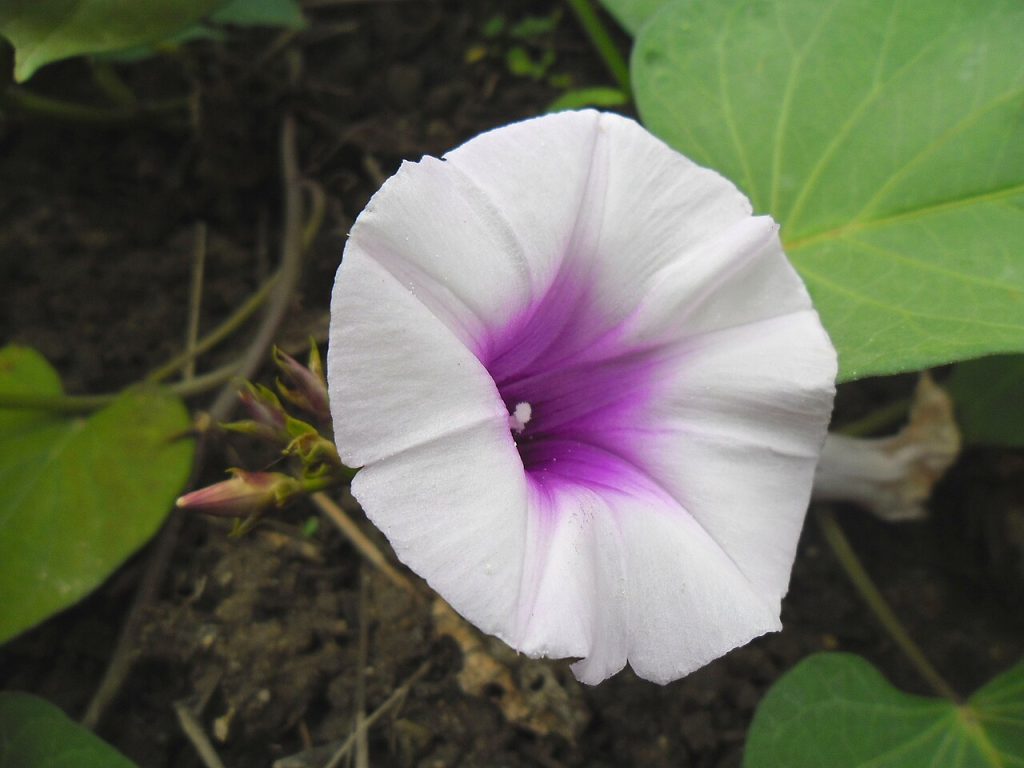
The Sweet Potato (Ipomoea batatas) is a botanically distinct tuber in the morning glory family Convolvulaceae. Its vibrant orange flesh is packed with all-trans beta-carotene, delivering over 400% of the daily value for Vitamin A per medium tuber. Furthermore, over 80% of the unique protein in sweet potatoes consists of Sporamin, a specialized storage protein proven to exert potent antioxidant activity, neutralize free radicals in the stomach, and shield mucosal tissues from oxidative breakdown.
Provides concentrated provitamin-A Beta-Carotene for mucosal epithelial repair and rhodopsin photoreceptor synthesis, while the unique storage protein Sporamin exerts direct antioxidant and trypsin-inhibitor actions that protect against digestive mucosal ulceration.
2. Evidence-Based Health Benefits & Clinical Research
1. High-Concentration Beta-Carotene (>400% DV Provitamin A)
Provides abundant provitamin A to nourish skin epithelial cells, support immune barrier strength, and fuel night vision in the retina.
2. Sporamin Storage Protein Antioxidant Activity
Unique whole-food tuber protein that directly scavenges free radicals and protects mucosal tissues from oxidative damage.
3. Slow-Digesting Amylose & Sustained Complex Energy
Delivers complex carbohydrates bound with soluble fiber, providing hours of clean, steady physical and mental energy.
3. Clinical Specification & Dosage Reference Matrix
| Parameter | Clinical Standard & Specification |
|---|---|
| Primary Bioactive Complex | All-Trans Beta-Carotene (>400% DV per Sweet Potato), Sporamin Storage Protein (80% of total protein), Soluble Fiber, and Potassium. |
| Physiological Action | Provides concentrated provitamin-A Beta-Carotene for mucosal epithelial repair and rhodopsin photoreceptor synthesis, while the unique storage protein Sporamin exerts direct antioxidant and trypsin-inhibitor actions that protect against digestive mucosal ulceration. |
| Validated Clinical Dosage | Nutritional longevity cohort studies in Okinawa (where purple and orange sweet potatoes constituted 60% of traditional daily calories) correlate high sweet potato intake with exceptional cardiovascular health, low rates of chronic inflammation, and longevity. |
| Nutritional Timing Rule | Bake, roast, or steam whole unpeeled organic sweet potatoes with a drizzle of grass-fed butter, coconut oil, or extra virgin olive oil. |
4. Frequently Asked Questions & Clinical Guidelines
Q: How long before noticeable biological effects occur?
While acute cellular absorption occurs within 30 to 90 minutes, systemic cellular saturation and biomarker improvements (such as lipid profiles, inflammation markers, and mitochondrial biogenesis) typically manifest over 4 to 12 weeks of consistent daily usage.
Q: What is the optimal water vs. lipid meal timing protocol?
Water-soluble nutrients and botanical extracts are best taken 20 to 30 minutes prior to meals with room-temperature filtered water, whereas lipid-soluble compounds should strictly be consumed alongside meals containing healthy dietary fats for optimal micellar absorption.
Q: Are there any contraindications or medication interactions?
Individuals taking prescription medications, pregnant/nursing mothers, or those with underlying renal or hepatic conditions should consult their licensed healthcare physician prior to initiating high-potency nutritional supplementation.