
✓ Quick Scientific Takeaway
- Primary Bioactive: Raphanin (4-methylsulfinyl-3-butenyl isothiocyanate), Pelargonidin Anthocyanins, Myrosinase, and Glucoraphenin.
- Physiological Target: Raphanin activates hepatic <strong>Phase II detoxification enzymes</strong> (glutathione S-transferase and NQO1) via the Nrf2 pathway, stimulates gallbladder bile secretion (choleretic), and inhibits pathogenic fungal overgrowth (Candida albicans).
- Evidence-Based Outcome: Nutritional phytochemistry trials show dietary radish isothiocyanates significantly enhance hepatic Phase II xenobiotic conjugation and stimulate gallbladder contraction to promote smooth fat digestion.
- Optimal Timing Protocol: Enjoy 4 to 6 crisp raw radishes daily in fresh salads, sliced over grain bowls, or as a crunchy raw dipping snack with meals.
1. Biological Overview & Active Molecular Mechanisms
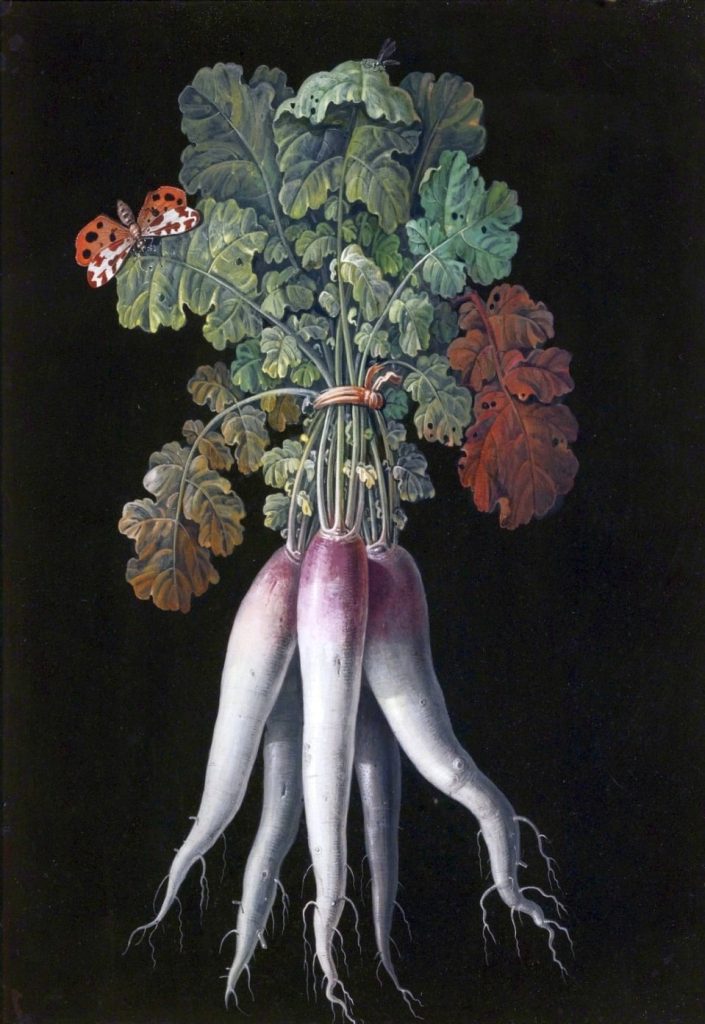
Radishes (Raphanus sativus) in the Brassicaceae family deliver a distinctive peppery crunch driven by the sulfur-rich isothiocyanate Raphanin. In hepatobiliary physiology, raphanin acts as a potent cholagogue and choleretic, stimulating liver cells to produce fresh bile and signaling the gallbladder to contract, flushing out biliary sludge and facilitating the emulsification of dietary lipids.
Raphanin activates hepatic Phase II detoxification enzymes (glutathione S-transferase and NQO1) via the Nrf2 pathway, stimulates gallbladder bile secretion (choleretic), and inhibits pathogenic fungal overgrowth (Candida albicans).
2. Evidence-Based Health Benefits & Clinical Research
1. Hepatic Phase II Enzyme & Glutathione Induction
Upregulates Phase II conjugation pathways, accelerating the safe metabolic clearance of toxins and environmental pollutants.
2. Biliary Flow & Gallbladder Sludge Clearance
Stimulates gallbladder motility and fresh bile acid output, preventing digestive heaviness after rich or fatty meals.
3. Antimicrobial Raphanin Action Against Candida
Exerts natural antifungal action in the gastrointestinal tract, inhibiting Candida albicans biofilm overgrowth.
3. Clinical Specification & Dosage Reference Matrix
| Parameter | Clinical Standard & Specification |
|---|---|
| Primary Bioactive Complex | Raphanin (4-methylsulfinyl-3-butenyl isothiocyanate), Pelargonidin Anthocyanins, Myrosinase, and Glucoraphenin. |
| Physiological Action | Raphanin activates hepatic Phase II detoxification enzymes (glutathione S-transferase and NQO1) via the Nrf2 pathway, stimulates gallbladder bile secretion (choleretic), and inhibits pathogenic fungal overgrowth (Candida albicans). |
| Validated Clinical Dosage | Nutritional phytochemistry trials show dietary radish isothiocyanates significantly enhance hepatic Phase II xenobiotic conjugation and stimulate gallbladder contraction to promote smooth fat digestion. |
| Nutritional Timing Rule | Enjoy 4 to 6 crisp raw radishes daily in fresh salads, sliced over grain bowls, or as a crunchy raw dipping snack with meals. |
4. Frequently Asked Questions & Clinical Guidelines
Q: How long before noticeable biological effects occur?
While acute cellular absorption occurs within 30 to 90 minutes, systemic cellular saturation and biomarker improvements (such as lipid profiles, inflammation markers, and mitochondrial biogenesis) typically manifest over 4 to 12 weeks of consistent daily usage.
Q: What is the optimal water vs. lipid meal timing protocol?
Water-soluble nutrients and botanical extracts are best taken 20 to 30 minutes prior to meals with room-temperature filtered water, whereas lipid-soluble compounds should strictly be consumed alongside meals containing healthy dietary fats for optimal micellar absorption.
Q: Are there any contraindications or medication interactions?
Individuals taking prescription medications, pregnant/nursing mothers, or those with underlying renal or hepatic conditions should consult their licensed healthcare physician prior to initiating high-potency nutritional supplementation.