
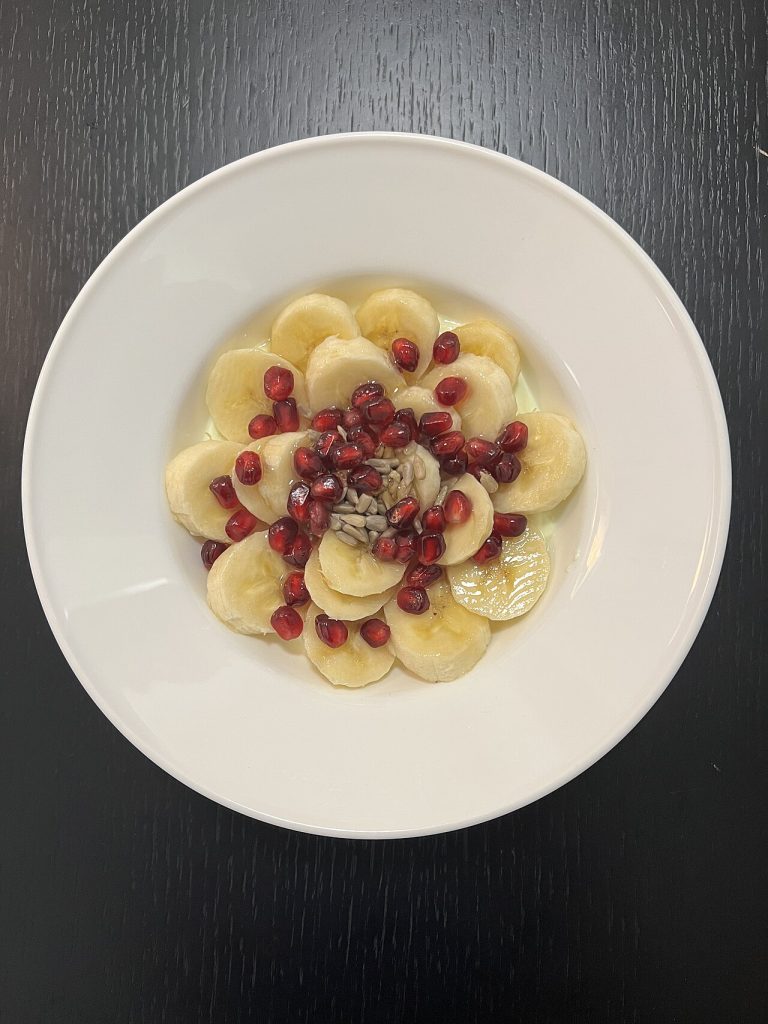
✓ Quick Scientific Takeaway
- Primary Bioactive: Punicic Acid (Omega-5 Conjugated Fatty Acid), Delphinidin, Cyanidin, and Insoluble Aril Fiber.
- Physiological Target: Punicic acid acts as a potent <strong>PPAR-gamma receptor ligand</strong>, improving cellular insulin signaling, suppressing vascular cell adhesion molecules (VCAM-1), and inhibiting excessive hepatic triglyceride synthesis.
- Evidence-Based Outcome: Clinical lipidology trials demonstrate 400mg of pomegranate seed oil rich in punicic acid daily for 4 weeks significantly decreased triglyceride levels and improved the HDL-to-total cholesterol ratio in dyslipidemic patients.
- Optimal Timing Protocol: Add 1/2 cup of fresh crunchy pomegranate arils to morning yogurt, raw salads, or grain bowls daily.
1. Biological Overview & Active Molecular Mechanisms
Pomegranate seeds (arils) house a rare, polyunsaturated omega-5 fatty acid known as Punicic Acid (constituting up to 70% of seed oil content). In vascular endothelial biology, punicic acid enhances cellular membrane fluidity, decreases monocyte adhesion to vessel walls, and boosts basal nitric oxide release.
Punicic acid acts as a potent PPAR-gamma receptor ligand, improving cellular insulin signaling, suppressing vascular cell adhesion molecules (VCAM-1), and inhibiting excessive hepatic triglyceride synthesis.
2. Evidence-Based Health Benefits & Clinical Research
1. Rare Omega-5 Punicic Acid Lipid Modulation
Activates PPAR receptors to accelerate fatty acid oxidation in the liver and reduce circulating triglycerides.
Nordic Naturals Ultimate Omega 1280mg Lemon Flavor
Triglyceride Molecular Form
2. Vascular Endothelial Adhesion (VCAM-1) Inhibition
Stops white blood cell clumping against arterial walls, preventing the earliest stages of vascular lesion formation.
3. Insoluble Aril Fiber for Regular Waste Elimination
Provides dense seed fiber that sweeps through the digestive tract, preventing stagnation and constipation.
3. Clinical Specification & Dosage Reference Matrix
| Parameter | Clinical Standard & Specification |
|---|---|
| Primary Bioactive Complex | Punicic Acid (Omega-5 Conjugated Fatty Acid), Delphinidin, Cyanidin, and Insoluble Aril Fiber. |
| Physiological Action | Punicic acid acts as a potent PPAR-gamma receptor ligand, improving cellular insulin signaling, suppressing vascular cell adhesion molecules (VCAM-1), and inhibiting excessive hepatic triglyceride synthesis. |
| Validated Clinical Dosage | Clinical lipidology trials demonstrate 400mg of pomegranate seed oil rich in punicic acid daily for 4 weeks significantly decreased triglyceride levels and improved the HDL-to-total cholesterol ratio in dyslipidemic patients. |
| Nutritional Timing Rule | Add 1/2 cup of fresh crunchy pomegranate arils to morning yogurt, raw salads, or grain bowls daily. |
4. Frequently Asked Questions & Clinical Guidelines
Q: How long before noticeable biological effects occur?
While acute cellular absorption occurs within 30 to 90 minutes, systemic cellular saturation and biomarker improvements (such as lipid profiles, inflammation markers, and mitochondrial biogenesis) typically manifest over 4 to 12 weeks of consistent daily usage.
Q: What is the optimal water vs. lipid meal timing protocol?
Water-soluble nutrients and botanical extracts are best taken 20 to 30 minutes prior to meals with room-temperature filtered water, whereas lipid-soluble compounds should strictly be consumed alongside meals containing healthy dietary fats for optimal micellar absorption.
Q: Are there any contraindications or medication interactions?
Individuals taking prescription medications, pregnant/nursing mothers, or those with underlying renal or hepatic conditions should consult their licensed healthcare physician prior to initiating high-potency nutritional supplementation.