
A day when the usual surge of stress hormones after a hectic meeting or a late‑night workout doesn’t leave you feeling wired, foggy, or craving unhealthy snacks. That subtle shift often starts with a tiny, phospholipid‑rich component of our cell membranes called phosphatidylserine (PS). By quietly influencing the brain’s communication pathways, PS can help modulate cortisol, the hormone that orchestrates our stress response, allowing you to stay calmer, recover faster, and keep your nutrition goals on track.
What Science Shows
Research in nutrition and exercise science consistently points to phosphatidylserine as a safe, non‑pharmaceutical option for supporting healthy cortisol dynamics. In controlled trials, participants who took 300 mg of PS daily for 6 to 12 weeks experienced a blunted cortisol rise after intense exercise or acute mental stress, without any adverse effects on performance. Similar outcomes have been reported in studies involving shift‑workers and individuals with high perceived stress, where PS supplementation was associated with improved mood scores and better sleep quality.
- Typical dosages range from 200 mg to 400 mg per day, split into two doses.
- Effects are most noticeable when PS is taken consistently for at least 2 weeks.
- PS appears to act by supporting the fluidity of neuronal membranes, which enhances the signaling of neurotransmitters that regulate the hypothalamic‑pituitary‑adrenal (HPA) axis.
While the exact mechanisms are still being explored, the prevailing hypothesis is that PS helps maintain optimal receptor function for cortisol‑releasing factors, thereby preventing excessive spikes during stress‑inducing events.
The Role of Whole Foods vs Supplements
Phosphatidylserine is naturally present in modest amounts in certain animal and plant foods. Fatty fish (especially mackerel and herring), organ meats, and soybeans contain the highest concentrations. However, obtaining therapeutic levels solely from diet would require consuming large portions daily, which is impractical for most people.
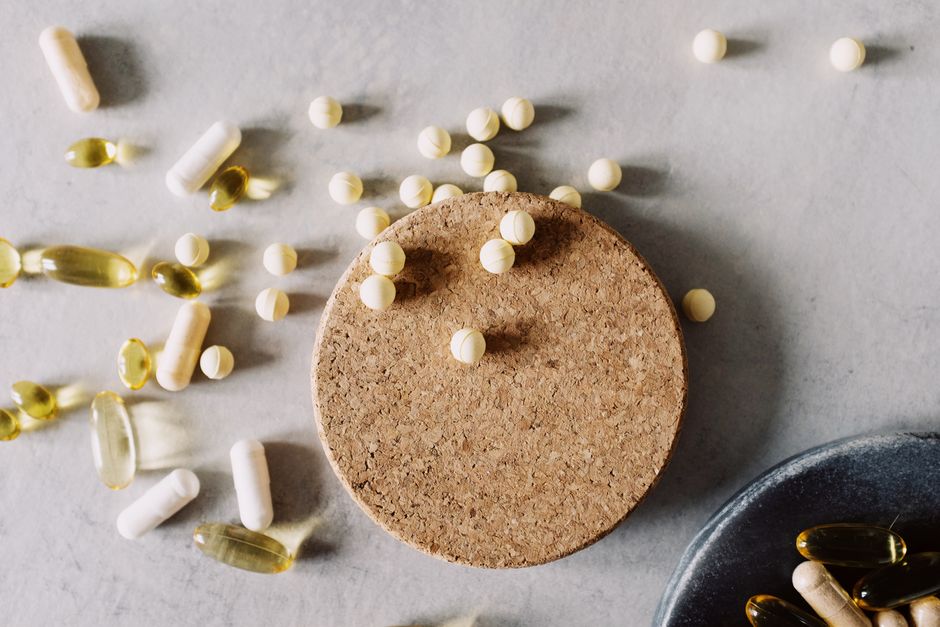
For those who need a reliable, research‑backed amount, a high‑quality supplement is the most efficient route. Look for products that use soy‑derived or sunflower‑derived PS, are free from unnecessary fillers, and provide a transparent third‑party certificate of analysis. One convenient option is a capsule that delivers 300 mg per serving; you can explore it here: Check Price for Phosphatidylserine on Amazon ↗.
Practical Daily Integration Guidance
Integrating phosphatidylserine into a stress‑management routine is straightforward. Pair it with nutrition and exercise habits that already support cortisol balance for a synergistic effect.
- Timing: Take the first dose with breakfast and the second with lunch or a pre‑workout snack. Consistency is key; aim for the same times each day.
- Dosage: Start with 200 mg per day for the first week to assess tolerance, then increase to 300‑400 mg split into two doses if needed.
- Combine with protein: Consuming PS alongside a protein‑rich meal (e.g., Greek yogurt, eggs, or a plant‑based shake) may enhance absorption.
- Exercise pairing: Use PS on days you plan high‑intensity interval training (HIIT) or heavy resistance work, as these sessions are most likely to provoke cortisol spikes.
- Sleep hygiene: Complement PS with a wind‑down routine, dim lights, limited screen time, and a short meditation, to maximize its calming benefits.
Remember that supplements are not a substitute for a balanced diet or regular physical activity. If you have any underlying health conditions or take medication, consult a healthcare professional before adding phosphatidylserine to your regimen.
Summary Card
| Potential Benefits | Considerations & Cautions |
|---|---|
| May help blunt acute cortisol spikes after exercise or mental stress | Not a replacement for medical treatment; consult a professional if you have adrenal or hormonal disorders |
| Supports mood stability and sleep quality in some studies | Typical effective dose is 200‑400 mg per day; exceeding 500 mg offers no added advantage |
| Easy to combine with protein‑rich meals and pre‑workout nutrition | People with soy allergies should choose sunflower‑derived PS or verify ingredient lists |