
✓ Quick Scientific Takeaway
- Primary Bioactive: Papain (Cysteine Hydrolase), Chymopapain, Lycopene, Vitamin C, and Carotenoids.
- Physiological Target: Papain cleaves peptide bonds between basic amino acids across broad pH conditions, compensating for low stomach acid (hypochlorhydria) while lycopene protects mucosal stomach linings from ulceration.
- Evidence-Based Outcome: Clinical digestive studies show daily consumption of standardized papaya pulp preparations significantly reduces chronic constipation, acid reflux, and bloating symptoms in functional gastrointestinal disorder patients.
- Optimal Timing Protocol: Eat 1 cup of fresh ripe papaya cubes 15 minutes before heavy main meals or whenever experiencing mild digestive discomfort.
1. Biological Overview & Active Molecular Mechanisms
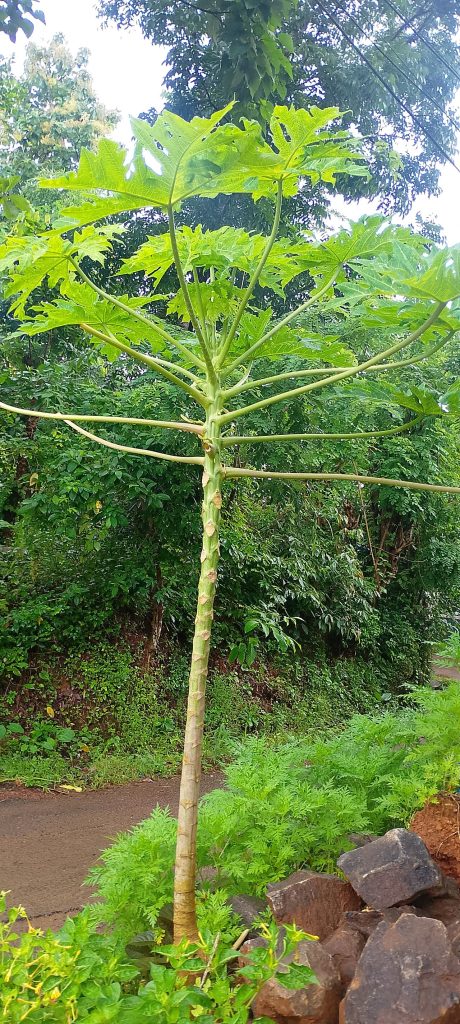
Papaya (Carica papaya) produces high concentrations of the proteolytic enzyme Papain alongside the alkaloid carpaine. Papain functions efficiently in both acidic and neutral digestive environments, making it ideal for individuals suffering from low stomach acid or enzyme insufficiency.
Papain cleaves peptide bonds between basic amino acids across broad pH conditions, compensating for low stomach acid (hypochlorhydria) while lycopene protects mucosal stomach linings from ulceration.
2. Evidence-Based Health Benefits & Clinical Research
1. Broad-Spectrum Papain Proteolytic Breakdown
Pre-digests meat and complex plant proteins before they reach the small intestine, preventing putrefaction and gas.
2. Gastric Mucosal Soothing & Acid Reflux Relief
Soothes inflamed esophageal and stomach tissues, providing natural alkaline buffering against gastric acid reflux.
3. Bioavailable Lycopene & Vitamin A Carotenoids
Delivers readily absorbed lycopene that shields cellular DNA from free radical damage and promotes tissue healing.
3. Clinical Specification & Dosage Reference Matrix
| Parameter | Clinical Standard & Specification |
|---|---|
| Primary Bioactive Complex | Papain (Cysteine Hydrolase), Chymopapain, Lycopene, Vitamin C, and Carotenoids. |
| Physiological Action | Papain cleaves peptide bonds between basic amino acids across broad pH conditions, compensating for low stomach acid (hypochlorhydria) while lycopene protects mucosal stomach linings from ulceration. |
| Validated Clinical Dosage | Clinical digestive studies show daily consumption of standardized papaya pulp preparations significantly reduces chronic constipation, acid reflux, and bloating symptoms in functional gastrointestinal disorder patients. |
| Nutritional Timing Rule | Eat 1 cup of fresh ripe papaya cubes 15 minutes before heavy main meals or whenever experiencing mild digestive discomfort. |
4. Frequently Asked Questions & Clinical Guidelines
Q: How long before noticeable biological effects occur?
While acute cellular absorption occurs within 30 to 90 minutes, systemic cellular saturation and biomarker improvements (such as lipid profiles, inflammation markers, and mitochondrial biogenesis) typically manifest over 4 to 12 weeks of consistent daily usage.
Q: What is the optimal water vs. lipid meal timing protocol?
Water-soluble nutrients and botanical extracts are best taken 20 to 30 minutes prior to meals with room-temperature filtered water, whereas lipid-soluble compounds should strictly be consumed alongside meals containing healthy dietary fats for optimal micellar absorption.
Q: Are there any contraindications or medication interactions?
Individuals taking prescription medications, pregnant/nursing mothers, or those with underlying renal or hepatic conditions should consult their licensed healthcare physician prior to initiating high-potency nutritional supplementation.