
✓ Quick Scientific Takeaway
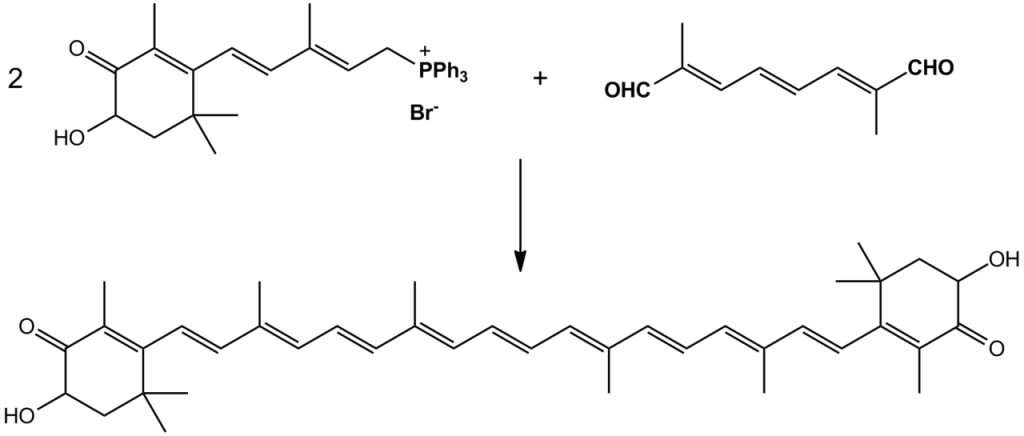
- Primary Bioactive: Natural Astaxanthin (3,3'-dihydroxy-beta,beta-carotene-4,4'-dione) derived from Haematococcus pluvialis microalgae.
- Physiological Target: Spans the entire lipid bilayer of cell membranes (hydrophilic ends anchoring in polar head groups while the polyene chain anchors in the hydrophobic core), quenching singlet oxygen and lipid peroxyl radicals.
- Evidence-Based Outcome: Clinical trials confirm 4mg to 12mg daily reduces dermal UV-induced photo-damage, decreases wrinkle depth, enhances ocular blood flow, and improves endurance performance by mitigating exercise-induced lactic acid accumulation.
- Optimal Timing Protocol: Take 4mg to 12mg once daily in the morning alongside a meal containing healthy fats (such as avocado, eggs, or fish oil) for optimal lymphatic absorption.
1. Biological Overview & Active Molecular Mechanisms
Astaxanthin is known in antioxidant biochemistry as the “King of Carotenoids.” Unlike other antioxidants (such as beta-carotene, lycopene, or Vitamin E), natural Astaxanthin never degrades into a pro-oxidant under high oxidative stress. Its unique molecular structure features two polar ionone rings linked by a non-polar conjugated polyene chain, allowing it to span the entire thickness of cellular and mitochondrial lipid membranes, shielding both the interior and exterior environments from oxidative breakdown.
Spans the entire lipid bilayer of cell membranes (hydrophilic ends anchoring in polar head groups while the polyene chain anchors in the hydrophobic core), quenching singlet oxygen and lipid peroxyl radicals.
2. Evidence-Based Health Benefits & Clinical Research
1. Trans-Bilayer Cellular & Mitochondrial Defense
Provides unrivaled protection against lipid peroxidation in cellular and mitochondrial membranes, boasting 6,000x the singlet oxygen quenching power of Vitamin C.
BioAstin Hawaiian Astaxanthin 12mg Natural Antioxidant
6000x Stronger Than Vitamin C for Cellular Defense
2. Dermal UV Photoprotection & Collagen Integrity
Neutralizes solar UV-induced free radicals, preserves dermal fibroblast collagen matrix, improves skin elasticity, and reduces moisture loss.
3. Ocular Retinal & Ciliary Muscle Blood Flow
Crosses the blood-retinal barrier to alleviate digital eye strain, improve accommodation amplitude, and increase microcirculation in retinal capillaries.
3. Clinical Specification & Dosage Reference Matrix
| Parameter | Clinical Standard & Specification |
|---|---|
| Primary Bioactive Complex | Natural Astaxanthin (3,3'-dihydroxy-beta,beta-carotene-4,4'-dione) derived from Haematococcus pluvialis microalgae. |
| Physiological Action | Spans the entire lipid bilayer of cell membranes (hydrophilic ends anchoring in polar head groups while the polyene chain anchors in the hydrophobic core), quenching singlet oxygen and lipid peroxyl radicals. |
| Validated Clinical Dosage | Clinical trials confirm 4mg to 12mg daily reduces dermal UV-induced photo-damage, decreases wrinkle depth, enhances ocular blood flow, and improves endurance performance by mitigating exercise-induced lactic acid accumulation. |
| Nutritional Timing Rule | Take 4mg to 12mg once daily in the morning alongside a meal containing healthy fats (such as avocado, eggs, or fish oil) for optimal lymphatic absorption. |
4. Frequently Asked Questions & Clinical Guidelines
Q: How long before noticeable biological effects occur?
While acute cellular absorption occurs within 30 to 90 minutes, systemic cellular saturation and biomarker improvements (such as lipid profiles, inflammation markers, and mitochondrial biogenesis) typically manifest over 4 to 12 weeks of consistent daily usage.
Q: What is the optimal water vs. lipid meal timing protocol?
Water-soluble nutrients and botanical extracts are best taken 20 to 30 minutes prior to meals with room-temperature filtered water, whereas lipid-soluble compounds should strictly be consumed alongside meals containing healthy dietary fats for optimal micellar absorption.
Q: Are there any contraindications or medication interactions?
Individuals taking prescription medications, pregnant/nursing mothers, or those with underlying renal or hepatic conditions should consult their licensed healthcare physician prior to initiating high-potency nutritional supplementation.