
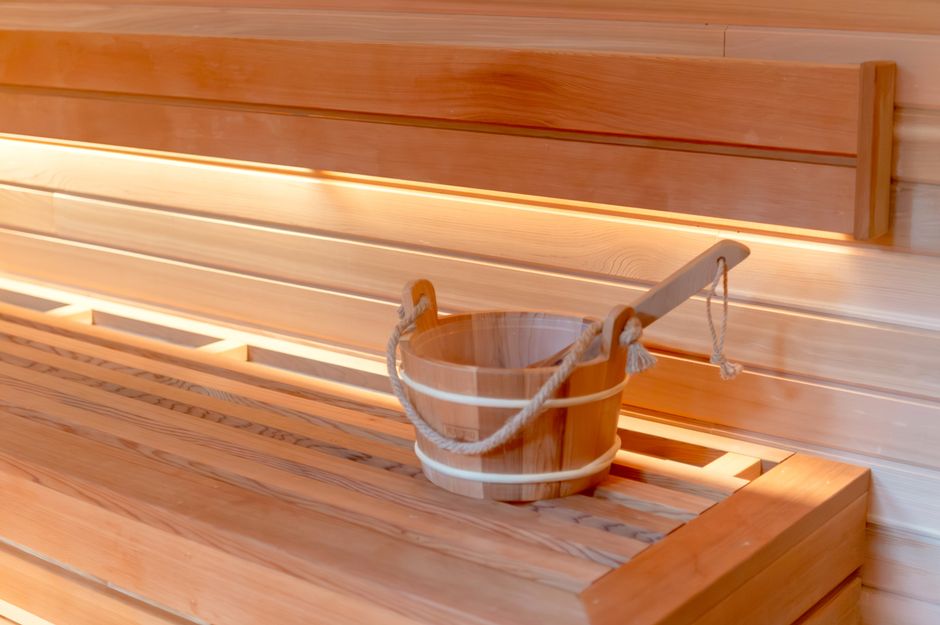
Stepping into a gentle, radiant heat that feels like a warm hug for your cells, prompting them to repair, adapt, and become more resilient. Infrared sauna therapy delivers that experience by using light wavelengths that penetrate deeper than traditional steam heat, stimulating physiological pathways that are also activated by exercise, nutrition, and recovery strategies. For athletes, biohackers, and anyone interested in optimizing cellular health, the synergy between infrared exposure and the body’s natural heat‑shock response offers a compelling, low‑impact tool for recovery.
What Science Shows
Research on infrared (IR) sauna exposure, particularly in the far‑infrared range (≈700 to 1100 nm), highlights several mechanisms that support cellular recovery:
- Heat‑shock proteins (HSPs), especially HSP70 and HSP90, are up‑regulated in response to the mild hyperthermia induced by IR saunas. These chaperone proteins help refold damaged proteins, reduce oxidative stress, and facilitate the removal of cellular debris.
- Improved microcirculation is consistently reported, with vasodilation increasing blood flow to skeletal muscle and peripheral tissues. Enhanced perfusion delivers oxygen and nutrients while aiding the clearance of metabolic by‑products such as lactate.
- Studies measuring markers of inflammation (e.g., C‑reactive protein) and oxidative stress (e.g., malondialdehyde) show modest reductions after regular IR sauna sessions, suggesting a systemic anti‑inflammatory effect.
- Acute sessions of 20 to 30 minutes at temperatures of 40 to 60 °C raise core body temperature by 0.5 to 1 °C, a stimulus comparable to low‑intensity endurance exercise, which can promote mitochondrial biogenesis via the PGC‑1α pathway.
While the evidence is growing, most studies involve small cohorts and short‑term protocols. Nevertheless, the convergence of data from exercise physiology, thermotherapy, and molecular biology supports the idea that IR sauna can be a viable adjunct to traditional recovery modalities.
The Role of Whole Foods vs Supplements
Heat‑shock protein activation does not occur in isolation; the cellular environment shaped by nutrition influences how effectively HSPs function. Whole foods provide a matrix of micronutrients, antioxidants, and phytonutrients that can synergize with the stress‑adaptation response triggered by infrared heat.
- Antioxidant‑rich fruits and vegetables (berries, leafy greens, cruciferous vegetables) supply polyphenols and vitamins C and E, which help buffer reactive oxygen species generated during heat exposure without blunting the beneficial signaling pathways.
- Protein quality matters for HSP synthesis. Sources such as lean meat, fish, eggs, dairy, and plant‑based proteins (legumes, quinoa) provide essential amino acids, especially leucine, that support muscle repair and chaperone production.
- Omega‑3 fatty acids from fatty fish, flaxseed, or algae have anti‑inflammatory properties that may complement the modest inflammation‑reduction observed with IR sauna.
- Targeted supplements (e.g., curcumin, alpha‑lipoic acid) can be considered when dietary intake is insufficient, but they should not replace a varied diet. Timing them away from sauna sessions (e.g., 30 minutes before or after) may reduce any potential interference with heat‑induced signaling.
In practice, prioritizing a balanced, nutrient‑dense diet creates a foundation upon which infrared sauna can more effectively promote cellular resilience. Supplements can fill gaps, but they are not a substitute for whole‑food nutrition.
Practical Daily Integration Guidance
To incorporate infrared sauna into a regular recovery routine, consider the following step‑by‑step framework. Adjust timing and duration based on personal tolerance, health status, and schedule.
- Frequency: 3 to 5 sessions per week provide consistent HSP activation without overwhelming the body’s stress capacity.
- Session length: Start with 10 minutes at a moderate temperature (≈40 °C). Gradually increase to 20 to 30 minutes as comfort improves.
- Pre‑session preparation: Hydrate with 250 to 500 ml of water or an electrolyte‑balanced drink. Light stretching or a brief warm‑up walk (≈5 minutes) can enhance circulation.
- During the session: Sit or recline comfortably, allowing the heat to envelop the torso and limbs. Focus on relaxed breathing; gentle mindfulness can improve perceived relaxation.
- Post‑session recovery: Cool down with a 5‑minute walk or gentle mobility work. Re‑hydrate and consume a protein‑rich snack (e.g., Greek yogurt with berries) within 30 minutes to support HSP synthesis.
- Integration with training: Schedule sauna sessions on rest days or after low‑intensity workouts. Avoid placing a sauna session immediately before high‑intensity training, as elevated core temperature may impair performance.
- Safety checks: Individuals with cardiovascular conditions, uncontrolled hypertension, or who are pregnant should consult a healthcare professional before beginning regular IR sauna use.
Tracking subjective metrics (sleep quality, perceived soreness, energy levels) alongside simple objective markers (resting heart rate, morning body weight) can help fine‑tune the protocol over weeks.
Summary: Benefits vs. Cautions
| Potential Benefits | Key Cautions |
|---|---|
| Supports up‑regulation of heat‑shock proteins that aid protein repair and cellular stress resilience. | May elevate core temperature; individuals with cardiovascular issues should seek medical guidance. |
| Improves microcirculation, facilitating nutrient delivery and metabolic waste removal. | Dehydration risk, maintain adequate fluid intake before and after sessions. |
| Associated with modest reductions in inflammatory markers and oxidative stress. | Heat sensitivity or skin conditions (e.g., eczema) may be aggravated by prolonged exposure. |
| Can complement low‑intensity exercise, supporting mitochondrial biogenesis. | Do not replace active recovery modalities; combine with proper nutrition and sleep. |