
✓ Quick Scientific Takeaway
- Primary Bioactive: Vitamin K2 (Menaquinone-4 and MK-7 from bacterial fermentation), Casein Phosphopeptides (CPPs), Conjugated Linoleic Acid (CLA), and Calcium.
- Physiological Target: Vitamin K2 activates <strong>Matrix Gla Protein (MGP) and Osteocalcin</strong> via gamma-carboxylation, drawing free calcium out of arterial blood vessel walls and depositing it directly into bone and dental enamel matrices.
- Evidence-Based Outcome: The Rotterdam Heart Study (4,807 subjects followed for 10 years) confirmed that individuals with the highest intake of dietary menaquinone (Vitamin K2 from cheese) had a 52% reduction in severe aortic calcification and 57% lower cardiovascular mortality.
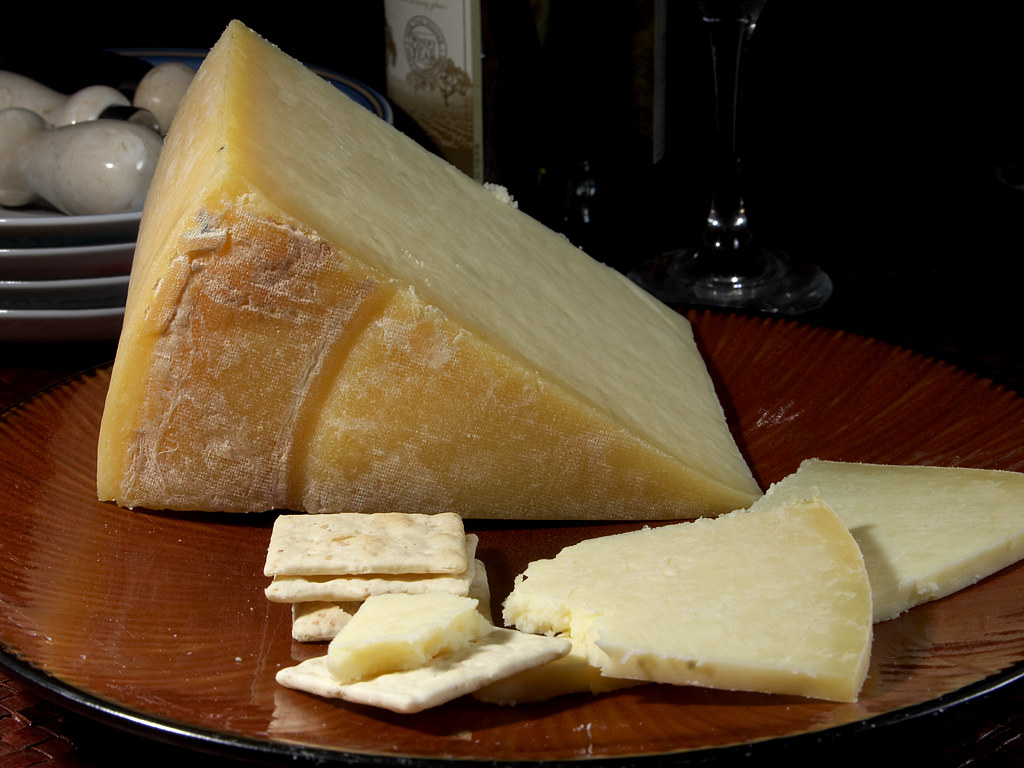
- Optimal Timing Protocol: Enjoy 1 to 2 oz of aged raw cheeses (Gouda, Parmesan, Aged Cheddar, Pecorino) daily alongside main meals.
1. Biological Overview & Active Molecular Mechanisms
Traditional aged cheeses (Gouda, Parmesan, Swiss) undergo long bacterial fermentations (Propionibacterium freudenreichii and Lactococcus) that produce rich concentrations of bioactive Vitamin K2 (Menaquinones). In human cardiovascular physiology, K2 acts as the molecular traffic cop for calcium.
Vitamin K2 activates Matrix Gla Protein (MGP) and Osteocalcin via gamma-carboxylation, drawing free calcium out of arterial blood vessel walls and depositing it directly into bone and dental enamel matrices.
2. Evidence-Based Health Benefits & Clinical Research
1. Matrix Gla Protein (MGP) Activation & Arterial Decalcification
Carboxylates MGP enzymes to clear calcified plaque from arterial walls, preserving blood vessel elasticity.
2. Osteocalcin Activation for Skeletal & Dental Density
Locks calcium directly into bones and tooth enamel, maximizing fracture resistance.
3. Casein Phosphopeptides (CPPs) for Mineral Absorption
Maintains calcium and phosphorus in a soluble, highly absorbable state throughout the digestive tract.
3. Clinical Specification & Dosage Reference Matrix
| Parameter | Clinical Standard & Specification |
|---|---|
| Primary Bioactive Complex | Vitamin K2 (Menaquinone-4 and MK-7 from bacterial fermentation), Casein Phosphopeptides (CPPs), Conjugated Linoleic Acid (CLA), and Calcium. |
| Physiological Action | Vitamin K2 activates Matrix Gla Protein (MGP) and Osteocalcin via gamma-carboxylation, drawing free calcium out of arterial blood vessel walls and depositing it directly into bone and dental enamel matrices. |
| Validated Clinical Dosage | The Rotterdam Heart Study (4,807 subjects followed for 10 years) confirmed that individuals with the highest intake of dietary menaquinone (Vitamin K2 from cheese) had a 52% reduction in severe aortic calcification and 57% lower cardiovascular mortality. |
| Nutritional Timing Rule | Enjoy 1 to 2 oz of aged raw cheeses (Gouda, Parmesan, Aged Cheddar, Pecorino) daily alongside main meals. |
4. Frequently Asked Questions & Clinical Guidelines
Q: How long before noticeable biological effects occur?
While acute cellular absorption occurs within 30 to 90 minutes, systemic cellular saturation and biomarker improvements (such as lipid profiles, inflammation markers, and mitochondrial biogenesis) typically manifest over 4 to 12 weeks of consistent daily usage.
Q: What is the optimal water vs. lipid meal timing protocol?
Water-soluble nutrients and botanical extracts are best taken 20 to 30 minutes prior to meals with room-temperature filtered water, whereas lipid-soluble compounds should strictly be consumed alongside meals containing healthy dietary fats for optimal micellar absorption.
Q: Are there any contraindications or medication interactions?
Individuals taking prescription medications, pregnant/nursing mothers, or those with underlying renal or hepatic conditions should consult their licensed healthcare physician prior to initiating high-potency nutritional supplementation.