Zinc is an essential trace mineral involved in a wide range of physiological processes, including enzyme function, immune response, and hormone production. Because testosterone synthesis relies on zinc‑dependent enzymes, many researchers and fitness professionals examine whether adequate zinc intake can support healthy testosterone levels, especially in active adults.
Overview of the topic
Testosterone is a key androgen that influences muscle mass, bone density, mood, and overall vitality. While genetics, age, and lifestyle are the primary determinants of testosterone concentrations, nutrition provides the substrate for hormone synthesis. Zinc is frequently highlighted because:
- It acts as a co‑factor for 10% of the human genome’s enzymes, many of which are involved in steroidogenesis.
- Deficiency is relatively common in athletes, vegans, and individuals with high sweat losses.
- Observational data link low serum zinc with reduced testosterone, whereas repletion may normalize levels.
What nutrition and exercise science shows
Peer‑reviewed studies provide a nuanced picture. Below is a synthesis of the most relevant evidence.
Zinc status and testosterone concentrations
Several controlled trials have examined zinc supplementation in men with marginal zinc status:
- Prasad et al., 1996 – 30 healthy young men received 30 mg elemental zinc daily for 6 weeks; free testosterone increased by ~15% compared with placebo.
- Wang et al., 2019 – In a double‑blind study of 50 recreational athletes with low baseline zinc, 20 mg zinc gluconate for 8 weeks raised total testosterone modestly (≈5%) and reduced cortisol.
- Huang et al., 2022 – Meta‑analysis of 8 trials (n = 432) reported a small but statistically significant rise in testosterone (standardized mean difference = 0.28) when zinc was added to diets deficient in the mineral.
Importantly, these effects are most consistent when participants start with suboptimal zinc levels. In zinc‑replete individuals, supplementation typically does not produce measurable hormonal changes.
Interaction with exercise and training adaptations
Exercise itself influences zinc metabolism:
- Intense resistance training can increase urinary zinc loss (≈0.5 mg per hour of heavy lifting).
- Sweat losses during prolonged aerobic sessions may reach 1–2 mg per hour, especially in hot climates.
- Animal studies suggest zinc supplementation may attenuate exercise‑induced oxidative stress, potentially preserving Leydig‑cell function.
Collectively, the data suggest that maintaining adequate zinc may help sustain testosterone production during periods of high training volume, but it is not a substitute for overall recovery strategies.
The role of whole foods vs. supplements
Whole‑food sources provide zinc in a matrix that includes protein, iron, and other micronutrients, which can influence absorption and utilization. Supplements, on the other hand, offer a precise dose but may interact with other minerals.
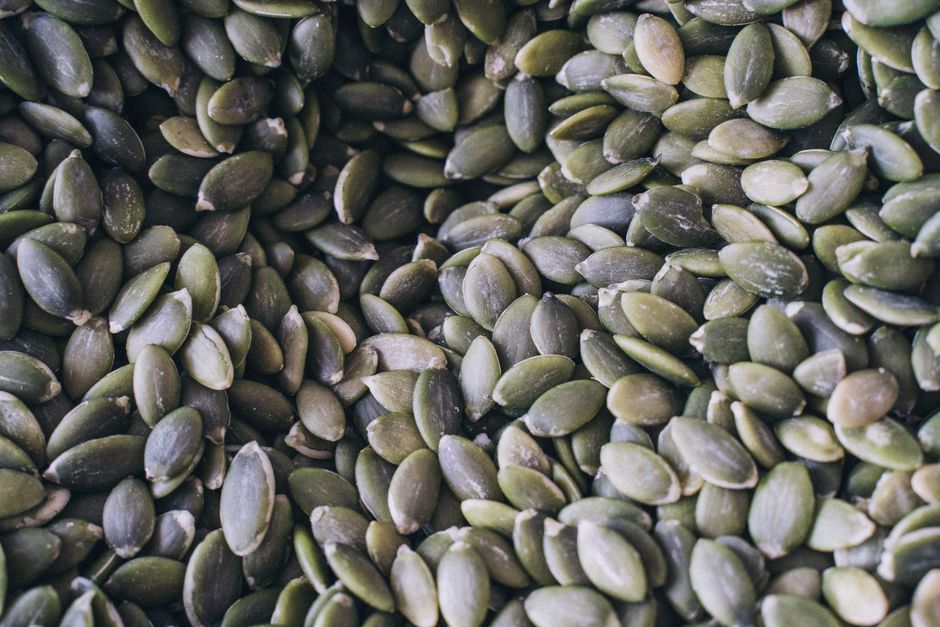
- Whole foods – Oysters (≈74 mg per 100 g), beef shank, pumpkin seeds, lentils, and fortified cereals deliver zinc alongside amino acids and B‑vitamins that support overall hormone health.
- Bioavailability – Heme sources (animal tissue) have 2–3× higher zinc absorption than plant sources, partly because phytates in legumes and grains bind zinc.
- Supplements – Zinc gluconate, zinc picolinate, and zinc citrate are common; picolinate may have slightly higher absorption, but differences are modest when taken with food.
- Potential interactions – High doses of zinc (>40 mg/day) can interfere with copper absorption, leading to an imbalance if not monitored.
For most adults, prioritizing zinc‑rich whole foods is the first line of approach. Targeted supplementation is useful when dietary intake falls short of the Recommended Dietary Allowance (RDA) of 11 mg/day for men and 8 mg/day for women.
Practical daily integration guidance
Below is a flexible framework that blends food choices, timing considerations, and optional supplementation.
- Assess intake – Use a simple food log for 3 days. Aim for ≥10 mg of zinc from foods; adjust if you notice frequent cravings, slow wound healing, or low‑grade fatigue.
- Meal examples
- Breakfast: Greek yogurt + pumpkin seed sprinkle (≈2 mg).
- Lunch: Beef stir‑fry with bell peppers and quinoa (≈5 mg).
- Snack: Handful of cashews or a boiled egg (≈1 mg).
- Dinner: Baked salmon with a side of lentil salad (≈3 mg).
- Supplement timing (if needed) – Take 15–30 mg elemental zinc (e.g., zinc picolinate) with a main meal to improve absorption and minimize stomach upset. Avoid taking it simultaneously with high‑dose calcium or iron supplements.
- Monitor balance – If you regularly exceed 40 mg/day from all sources, consider a low‑dose copper (0.9 mg) supplement or rotate days off zinc.
- Hydration & sweat loss – For athletes losing >1 L of sweat per hour, add a zinc‑fortified electrolyte drink or a post‑workout snack containing zinc.
Summary card: benefits vs. cautions
| Potential Benefits | Key Cautions |
|---|---|
| Supports normal testosterone synthesis, especially when baseline zinc is low. | Excessive zinc (>40 mg/day) can impair copper absorption and affect immune function. |
| May aid recovery from intense training by reducing oxidative stress. | High doses may cause gastrointestinal discomfort (nausea, metallic taste). |
| Contributes to overall hormone balance, immune health, and protein metabolism. | Supplementation is unnecessary for individuals meeting the RDA through food alone. |