
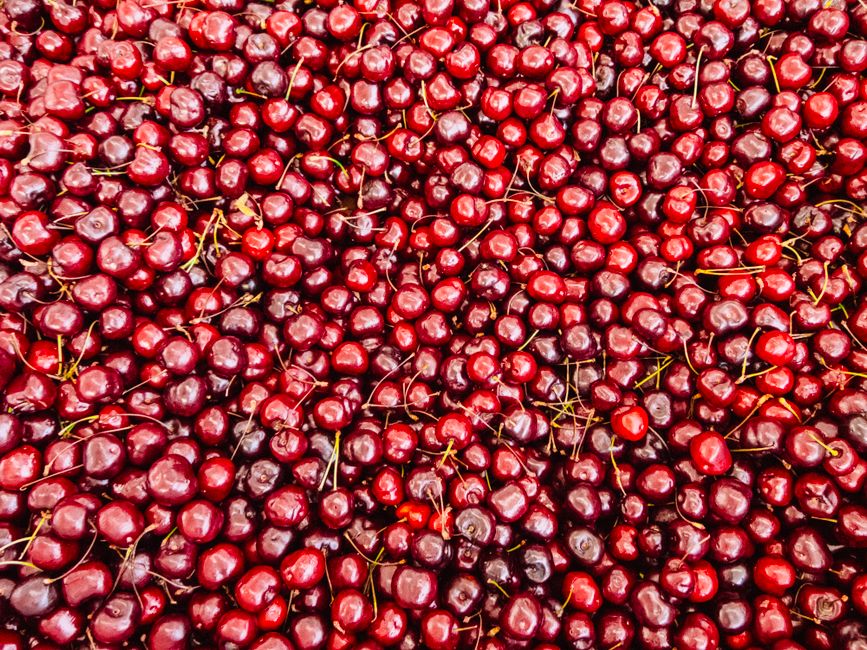
Tart cherry juice and chamomile tea are two botanically‑derived beverages that have gained popularity for their pleasant flavors and potential health‑supporting properties. Tart cherries (Prunus cerasus) are rich in anthocyanins, melatonin, and potassium, while chamomile (Matricaria recutita) contains flavonoids such as apigenin, bis‑bis‑glucoside, and essential oils that give the herb its characteristic aroma. Both are often consumed as part of a balanced lifestyle to support sleep quality, exercise recovery, and overall wellbeing.
What nutrition and exercise science shows
Research on tart cherry juice and chamomile has focused on three main outcomes: sleep‑related measures, inflammation/recovery after exercise, and mild anxiety or stress reduction. The evidence is growing, but most studies are short‑term, use relatively small sample sizes, and often involve specific populations (e.g., athletes or older adults).
Tart cherry juice
- Sleep timing and quality: A double‑blind, placebo‑controlled trial (Howatson et al., 2012) found that 30 ml of tart cherry concentrate taken twice daily for 7 days increased nocturnal melatonin levels and modestly improved sleep efficiency in healthy adults.
- Exercise‑induced muscle soreness: Multiple randomized trials (e.g., Bell et al., 2016; McCormick et al., 2019) reported that 8–12 oz of tart cherry juice daily for 3–5 days surrounding intense exercise reduced perceived muscle soreness and markers of inflammation such as C‑reactive protein (CRP).
- Antioxidant capacity: In vitro analyses consistently show high anthocyanin content, which translates to increased plasma antioxidant capacity after acute ingestion (Kelley et al., 2020).
Chamomile
- Sleep latency and quality: A meta‑analysis of 6 randomized studies (Zick et al., 2021) concluded that chamomile extract or tea may reduce the time needed to fall asleep and improve subjective sleep quality, especially in older adults.
- Anxiety and mild stress: A pilot trial (Amsterdam et al., 2020) showed that 300 mg of chamomile extract taken twice daily for 4 weeks reduced scores on the State‑Trait Anxiety Inventory compared with placebo.
- Anti‑inflammatory effects: Animal models suggest that apigenin can down‑regulate pro‑inflammatory cytokines (IL‑6, TNF‑α). Human data are limited, but a small crossover study (McKay & Blumberg, 2022) observed a modest reduction in post‑prandial inflammatory markers after a single dose of chamomile tea.
The role of whole foods vs. supplements
Both tart cherry and chamomile are available as whole‑food products (fresh/frozen cherries, dried chamomile flowers) and as concentrated forms (juice blends, powdered extracts, capsules). The choice between whole foods and supplements depends on bioavailability, convenience, and personal preferences.
- Whole foods: Fresh or frozen tart cherries provide fiber, additional phytonutrients, and a lower sugar concentration than many commercial juice concentrates. Whole chamomile flowers can be steeped to create tea, preserving volatile oils that may be lost in high‑heat extraction processes.
- Supplements: Standardized extracts guarantee a consistent dose of key compounds (e.g., 0.5 % anthocyanins in cherry concentrate or 25 % apigenin in chamomile capsules). This can be useful for research‑grade dosing or when daily fluid intake is limited.
- Synergy: Some studies suggest that the matrix of whole fruit (fiber, sugars, other polyphenols) may enhance absorption of anthocyanins compared with isolated extracts. Conversely, a purified extract can deliver higher concentrations of a target compound without the added calories of juice.
Practical daily integration guidance
The following suggestions aim to help readers incorporate tart cherry juice and chamomile into a balanced routine. Adjust portion sizes based on personal energy needs, dietary preferences, and any existing health conditions.
- Morning boost: Add ½ cup (120 ml) of unsweetened tart cherry juice to a smoothie with Greek yogurt, banana, and a handful of spinach. This provides antioxidants and a modest amount of natural sugars for post‑breakfast energy.
- Pre‑exercise routine: Consume 8 oz (240 ml) of tart cherry juice 30–60 minutes before a high‑intensity workout. Pair with a small carbohydrate snack (e.g., a rice cake) if additional fuel is needed.
- Post‑exercise recovery: Within 30 minutes after training, repeat the 8 oz serving or drink a commercially available tart cherry concentrate diluted 1:4 with water. Combine with protein (e.g., a whey shake) to support muscle repair.
- Evening wind‑down: Brew 1 tsp (≈2 g) of dried chamomile flowers in 8 oz of hot water for 5 minutes. Add a dash of honey if desired. Drink 30 minutes before bedtime to support relaxation.
- Supplement alternative: For those who prefer capsules, a typical dose is 500 mg of tart cherry extract taken twice daily and 300 mg of chamomile extract taken 1–2 hours before sleep. Follow the manufacturer’s label and consult a qualified professional if you take medication.
Stay hydrated throughout the day with water, and view these beverages as complementary to a diet rich in fruits, vegetables, lean proteins, and whole grains.
Summary card: benefits vs. cautions
| Aspect | Potential Benefits | Common Cautions |
|---|---|---|
| Sleep support | May improve sleep efficiency and reduce latency (melatonin in tart cherry; apigenin in chamomile) | Excessive intake can cause gastrointestinal upset; high‑dose chamomile may interact with sedatives |
| Exercise recovery | Associated with reduced muscle soreness and lower post‑exercise CRP (anthocyanins) | Juice concentrates can be calorie‑dense; monitor total sugar intake |
| Anti‑inflammatory/antioxidant | Increases plasma antioxidant capacity; may modestly lower inflammatory markers | People with gout or kidney stones should moderate cherry intake due to oxalates |
| Stress & anxiety | Chamomile may lower mild anxiety scores in short‑term trials | Allergic individuals (Asteraceae family) should avoid chamomile |
These points are intended as a concise reference. Individual responses vary, and any persistent sleep disturbances, pain, or anxiety should be discussed with a qualified health professional.