
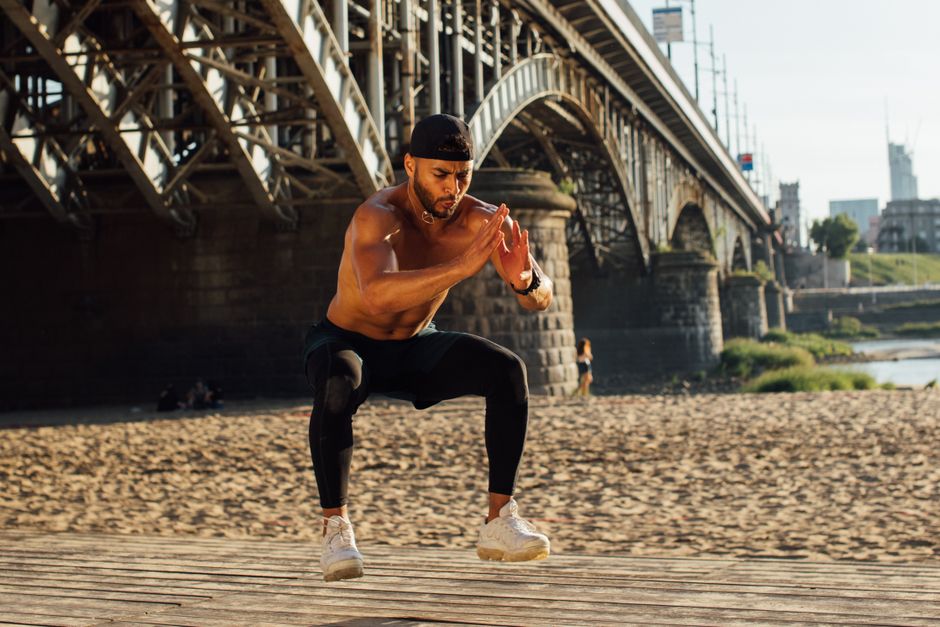
Stepping out of your front door with a sturdy backpack, feeling the gentle pull of weight as you walk, and noticing how your heart beats a little stronger with each stride. Rucking—walking with a load—offers a deceptively simple way to boost cardiovascular fitness, reinforce core stability, and improve posture, all while fitting into a busy schedule.
What Science Shows
Research on loaded walking consistently highlights three core adaptations:
- Increased heart‑rate response comparable to moderate‑intensity jogging, which supports aerobic capacity and blood‑pressure regulation.
- Enhanced activation of the posterior chain (glutes, hamstrings, spinal erectors) that contributes to a more upright spinal alignment.
- Improved bone‑loading stimulus, which is associated with higher bone mineral density in weight‑bearing regions.
Several controlled trials have measured oxygen consumption (VO₂) during rucking at 10–30 kg loads and found a 12–18 % rise over unladen walking, placing the activity in the “moderate” zone of the ACSM intensity spectrum. Likewise, electromyographic studies reveal that the trapezius, rhomboids, and deep neck flexors engage more consistently when a load is carried, suggesting a postural benefit that may help counteract the forward‑head position common in desk‑bound workers.
The Role of Whole Foods vs Supplements
When you add a physical stressor like a weighted pack, your body’s nutritional demands shift slightly. Whole foods provide the most reliable matrix of macro‑ and micronutrients needed for recovery and performance.
- Carbohydrates: Complex sources (whole grains, legumes, starchy vegetables) replenish glycogen stores used during prolonged rucks lasting 30 minutes or more.
- Protein: Lean meats, dairy, beans, and nuts supply essential amino acids that support muscle repair, especially for the posterior chain that works harder under load.
- Electrolytes: Foods rich in potassium and magnesium (bananas, leafy greens, seeds) help maintain fluid balance and reduce cramping risk.
Targeted supplements can fill gaps when dietary intake is insufficient, but they should not replace a balanced plate. For example, a daily omega‑3 capsule may support joint health, while a modest creatine dose (≈3 g) has been shown to aid high‑intensity bursts such as hill climbs during rucking. Always consider personal tolerance and consult a qualified professional before adding new supplements.
Practical Daily Integration Guidance
Here’s a step‑by‑step framework to weave rucking into a typical work‑week without overloading your schedule:
- Start Light: Begin with a 5 kg pack for 10–15 minutes, two times per week, to let joints adapt.
- Progress Gradually: Add 2–3 kg every 2–3 weeks, aiming for a total load of 10–15 kg once you can comfortably walk 30–45 minutes.
- Timing: Schedule rucks during low‑traffic periods (early morning or lunch break) to maintain a steady pace of ≈3–4 km/h.
- Posture Check: Keep shoulders back, chest lifted, and engage the core throughout. A quick “posture selfie” can serve as feedback.
- Hydration & Fuel: Drink 200–250 ml of water every 20 minutes and consider a small carbohydrate snack (e.g., a handful of dried fruit) for sessions over 30 minutes.
- Recovery: Finish with 5 minutes of gentle stretching for the hip flexors, hamstrings, and thoracic spine to preserve flexibility.
For those who work from home, place a sturdy backpack on a rolling cart and walk laps around the living room or backyard. The key is consistency; even short, frequent bouts (≈10 minutes) accumulate cardiovascular and postural benefits over time.
Summary Card: Benefits vs. Cautions
| Benefit | Caution / Consideration |
|---|---|
| Supports moderate‑intensity aerobic conditioning (↑ VO₂, heart‑rate response) | Start with low loads to avoid joint strain; increase gradually. |
| May help improve upright posture by activating back and core muscles | Maintain proper form; avoid slouching or excessive forward lean. |
| Associated with higher bone‑loading stimulus, beneficial for skeletal health | Individuals with osteoporosis or recent fractures should seek professional guidance. |
| Provides a functional strength stimulus for the posterior chain | Ensure backpack straps are snug and weight is centered to reduce shoulder impingement risk. |
| Easy to integrate into daily routine without special equipment | Monitor hydration and electrolytes, especially in hot climates or longer sessions. |