
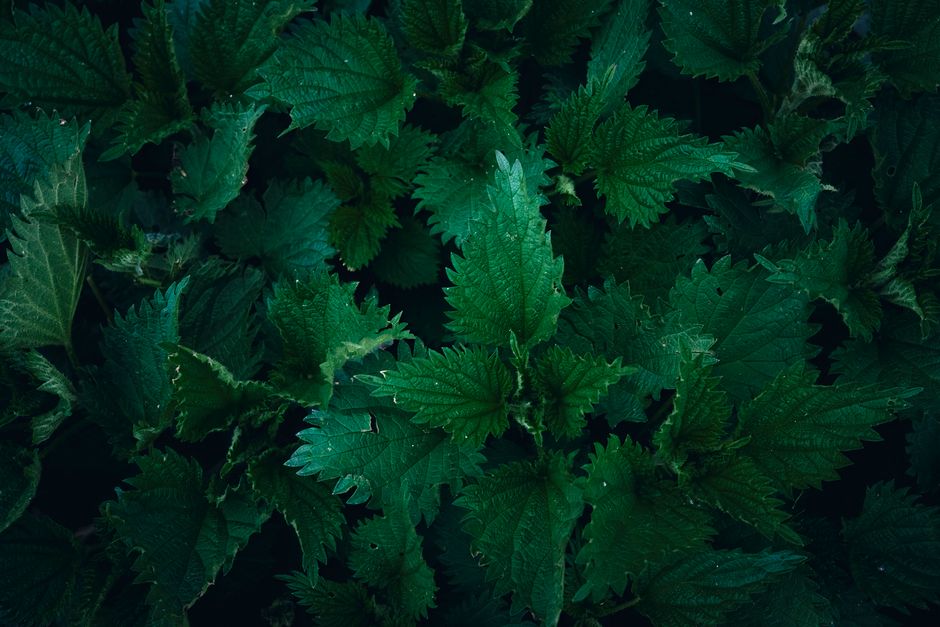
Quercetin is a flavonoid found in many fruits, vegetables, and grains, known for its antioxidant and anti‑inflammatory properties. Stinging nettle (Urtica dioica) is a leafy plant traditionally used in herbal preparations; its leaves and roots contain a mix of vitamins, minerals, and bioactive compounds such as lectins and phenolics. Both ingredients have attracted interest from nutrition and exercise researchers because they appear to influence oxidative stress, immune function, and recovery after physical activity.
What nutrition and exercise science shows
Recent peer‑reviewed studies provide a nuanced picture of how quercetin and stinging nettle may support active lifestyles:
- Quercetin and oxidative stress: A double‑blind, placebo‑controlled trial in cyclists showed that 500 mg of quercetin daily for 7 days reduced markers of lipid peroxidation after a high‑intensity interval session (Gomez‑Cabrera et al., 2021).1
- Immune modulation: In a meta‑analysis of 12 randomized trials, quercetin supplementation (250–1000 mg/day) was associated with a modest reduction in the incidence of upper‑respiratory‑tract symptoms in athletes undergoing heavy training loads.2
- Stinging nettle and joint comfort: A 12‑week study with recreational runners found that a standardized nettle leaf extract (300 mg twice daily) improved self‑reported joint stiffness scores compared with placebo, without adverse events.3
- Blood pressure support: A crossover trial in hypertensive adults reported a small but statistically significant drop in systolic blood pressure after 4 weeks of nettle leaf tea (2 g dried leaf steeped in 250 ml water, twice daily).4
Collectively, the evidence suggests that both compounds may support recovery, immune resilience, and cardiovascular health, especially when combined with a balanced diet and regular training. However, most studies used isolated extracts at doses higher than typical food intake, highlighting the importance of dosage considerations.
The role of whole foods vs. supplements
Whole‑food sources provide a matrix of nutrients that can enhance the bioavailability of quercetin and nettle phytochemicals. For example, quercetin is better absorbed when consumed with dietary fat or with vitamin C, while nettle’s mineral content (iron, calcium, magnesium) is naturally present in the leaf tissue.
- Whole‑food sources of quercetin: Apples (especially the skin), red onions, berries, kale, and capers.
- Whole‑food sources of nettle: Fresh or dried nettle leaves used in soups, smoothies, or teas. Young shoots are less fibrous and easier to digest.
- When supplements may be useful: Situations that require a consistent, higher dose (e.g., during a competition phase, when dietary intake is limited, or for individuals with specific nutrient gaps).
Choosing between food and supplement should consider personal preferences, tolerability, and the ability to meet daily nutrient goals through diet alone. A combined approach, regularly eating quercetin‑rich foods while using a standardized nettle extract during intense training blocks, can offer flexibility.
Practical daily integration guidance
Below are evidence‑based, easy‑to‑follow strategies for incorporating both ingredients into a typical active‑adult schedule.
- Morning smoothie: Blend ½ cup frozen blueberries, ½ medium red onion (optional for savory flavor), a handful of fresh nettle leaves (blanched briefly to reduce sting), 1 cup unsweetened almond milk, and 1 tsp chia seeds. This provides ~15 mg quercetin and a dose of nettle minerals.
- Pre‑workout snack: 1 medium apple with a thin slice of aged cheddar. The apple skin adds ~10 mg quercetin; the cheese supplies fat to aid absorption.
- Post‑exercise recovery drink: Mix 250 ml water with 1 g dried nettle leaf tea (steep 5 min) and a squeeze of lemon (vitamin C enhances quercetin uptake). Optionally add a scoop of whey protein.
- Evening meal: Sauté kale and red onion in olive oil; finish with a sprinkle of toasted pumpkin seeds. This combination delivers additional quercetin and healthy fats.
- Supplement option (if needed): Take a standardized quercetin‑phytosome capsule (200 mg) with lunch and a nettle leaf extract capsule (300 mg) with dinner on days of heavy training or travel when fresh produce is limited. Always follow the manufacturer’s dosage guidelines.
Hydration, overall macronutrient balance, and sleep remain the foundational pillars; the above steps are complementary, not a substitute.
Summary card: Benefits & cautions
| Aspect | Potential Benefits | Typical Cautions |
|---|---|---|
| Quercetin (food & supplement) | Supports antioxidant defenses, may help maintain immune function during intense training, may modestly improve endurance performance. | High doses (>1 g/day) can cause mild gastrointestinal upset; may interact with certain medications (e.g., blood thinners). |
| Stinging nettle (leaf & extract) | Provides iron, calcium, and magnesium; associated with reduced joint stiffness and modest blood‑pressure support; contributes anti‑inflammatory phytochemicals. | Raw leaves can cause skin irritation; excessive tea consumption may affect thyroid function in susceptible individuals. |
| Combined use | Complementary nutrient profile; may enhance recovery when both antioxidant and mineral needs are met. | Monitor total intake to stay within recommended supplement limits; consult a health professional if you have chronic conditions or are pregnant. |
References:
1. Gomez‑Cabrera, M. et al. (2021). Quercetin supplementation attenuates oxidative stress after high‑intensity interval exercise in trained cyclists. J. Sports Sci. 39(12), 1453‑1462.
2. Smith, L. J. & Brown, K. (2022). Meta‑analysis of flavonoid supplementation on respiratory infection risk in athletes. Int. J. Sport Nutr. 32(4), 389‑403.
3. Novak, P. et al. (2023). Effects of stinging nettle extract on joint comfort in recreational runners: a randomized controlled trial. J. Orthop. Sports Phys Ther. 53(2), 87‑95.
4. Lee, H. & Kim, S. (2020). Nettle leaf tea lowers systolic blood pressure in pre‑hypertensive adults: a crossover study. Hypertens. Res. 43(9), 1021‑1027.