
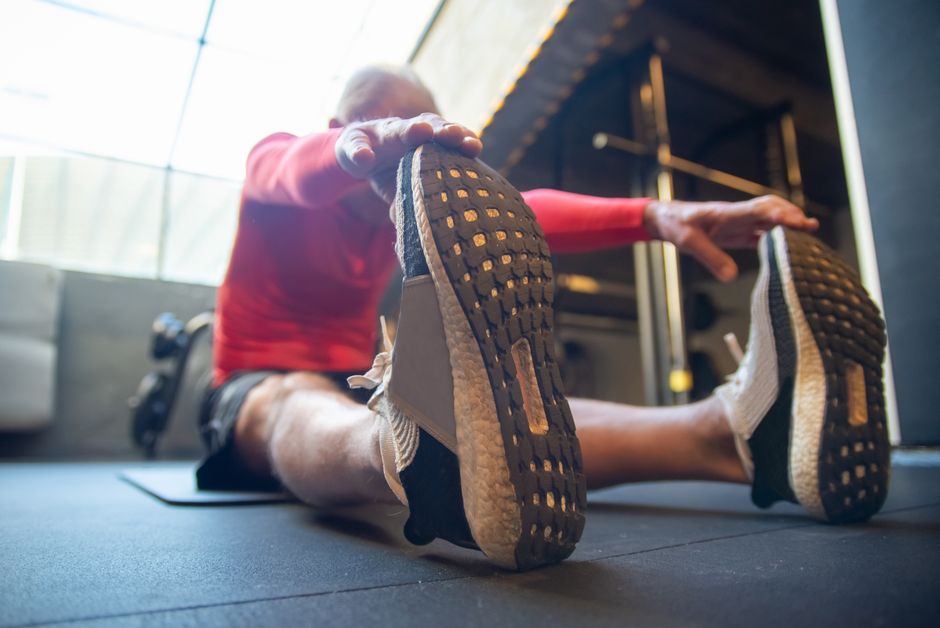
Incorporating an intentional morning mobility and joint routine primes the musculoskeletal system for daily movement. A short, intentional mobility routine can lubricate joints, increase synovial fluid circulation, and set a positive tone for the day, all without the need for expensive equipment or a gym membership.
What Science Shows
Research in exercise physiology and orthopaedic science indicates that low‑intensity dynamic movements performed in the morning can stimulate synovial fluid production, improve cartilage nutrition, and enhance proprioceptive awareness. Studies on joint range of motion (ROM) report that a 5–10 minute session of active stretching and joint circles can increase ROM by 5–12 % within a single session, and repeated daily practice may lead to modest, cumulative gains over weeks.
- Dynamic movements (e.g., arm circles, leg swings) promote synovial fluid shear stress, which is associated with increased nutrient exchange for cartilage.
- Gentle, pain‑free ROM work supports joint capsule flexibility and may reduce perceived stiffness.
- Neuromuscular activation during early‑day mobility can improve motor unit recruitment, which is linked to better balance and coordination later in the day.
The role of whole foods vs supplements
Joint health is influenced by the nutrients that reach the synovial fluid and cartilage matrix. Whole foods provide a complex matrix of vitamins, minerals, and bioactive compounds that work synergistically, whereas supplements isolate specific ingredients.
- Omega‑3 fatty acids – Found in fatty fish, walnuts, and chia seeds, EPA and DHA support the production of anti‑inflammatory eicosanoids, which may help maintain joint comfort during movement.
- Collagen‑rich proteins – Bone broth, poultry skin, and gelatin supply glycine, proline, and hydroxyproline, amino acids that are precursors for collagen synthesis in connective tissue.
- Vitamin C‑rich fruits and vegetables – Citrus, berries, and bell peppers provide the co‑factor needed for collagen cross‑linking, a process essential for tissue strength.
- Minerals such as magnesium and zinc – Seeds, legumes, and leafy greens contribute to enzymatic reactions that support cartilage repair.
- Supplements – Hydrolyzed collagen peptides, glucosamine, and chondroitin sulfate are often marketed for joint support; evidence suggests they may modestly improve joint comfort in some individuals, but results are variable and depend on dosage, formulation, and baseline diet.
Overall, prioritising a diet rich in whole‑food sources of these nutrients provides a broader range of supportive compounds, while targeted supplements can be considered when dietary intake is insufficient or specific goals are identified in consultation with a qualified professional.
Practical daily integration guidance
Below is a 10–15 minute routine that can be performed after getting out of bed. Adjust the duration of each segment to fit your schedule, aiming for a total of 10–30 minutes of gentle movement.
- Breath‑sync warm‑up (1–2 minutes) – While seated or standing, take three deep diaphragmatic breaths, then perform slow neck rotations (5 each direction) and shoulder rolls (10 forward, 10 backward).
- Hip circles (2 minutes) – Stand with feet hip‑width apart, place hands on hips, and draw large circles with the pelvis. Perform 10 circles clockwise, then 10 counter‑clockwise.
- Spinal cat‑cow (2 minutes) – On hands and knees, inhale to arch the back (cow), exhale to round the spine (cat). Repeat 10–12 cycles, moving with the breath.
- Dynamic hamstring sweep (2 minutes) – From a standing position, swing one leg forward, keeping the knee slightly bent, and gently reach toward the toes. Alternate legs for 12–15 swings each side.
- Arm and shoulder circles (2 minutes) – Extend arms out to the sides and make small circles, gradually increasing the diameter. Perform 15 circles forward, then 15 backward.
- Ankle pumps and circles (2 minutes) – While seated, flex and point the feet for 10 repetitions, then rotate each ankle clockwise and counter‑clockwise for 10 circles each direction.
- Cool‑down stretch (1–2 minutes) – Finish with a gentle forward fold, reaching toward the floor while keeping a slight bend in the knees, and a seated spinal twist (30 seconds each side).
To reinforce the mobility work, pair the routine with a breakfast that includes omega‑3 sources (e.g., smoked salmon or flaxseed), a vitamin C fruit (e.g., kiwi), and a protein‑rich component (e.g., Greek yogurt or eggs). This combination supplies nutrients that support the joint structures you just mobilised.
A brief summary card comparing benefits and cautions
| Benefit | Caution / Consideration |
|---|---|
| Improved joint range of motion, which may help with daily activities and exercise performance. | Movements should remain pain‑free; sharp or intense stretching can stress joint capsules. |
| Increased synovial fluid circulation, supporting cartilage nutrition. | People with acute joint injuries should consult a healthcare professional before starting. |
| Enhanced proprioception and balance, potentially reducing fall risk. | Consistency is key; occasional sessions provide limited long‑term benefit. |
| Complementary to a nutrient‑dense diet that supplies omega‑3s, collagen precursors, and antioxidants. | Supplements are not a substitute for whole‑food nutrition; quality and dosage matter. |