
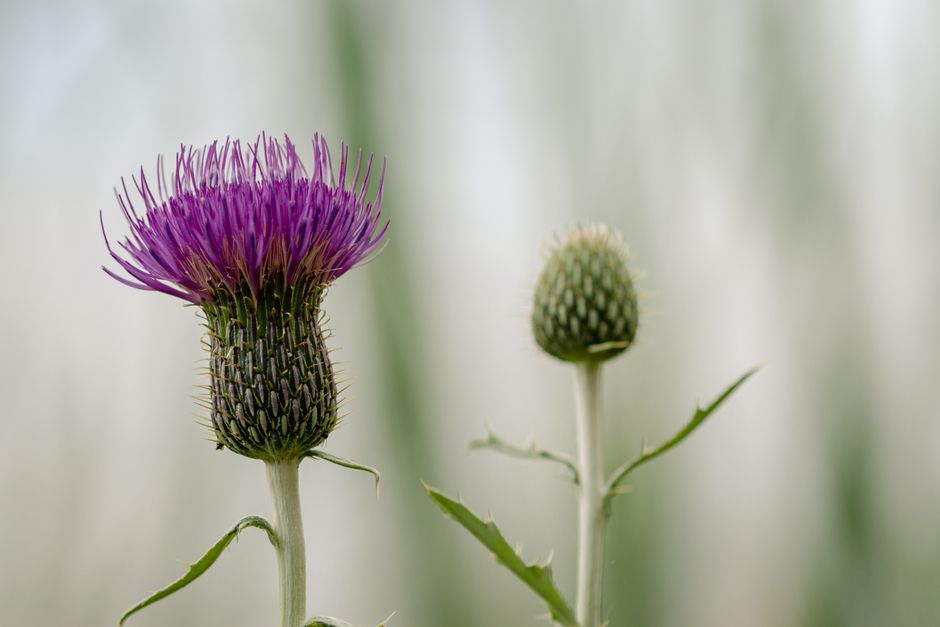
Milk thistle (Silybum marianum) is a flowering plant native to the Mediterranean region. Its seeds contain a complex of flavonolignans known as silymarin, which is the active component most frequently studied in nutrition and exercise science. Silymarin is composed of several related compounds, silybin (also called silibinin), silydianin, and silychristin, each contributing to the herb’s antioxidant and anti‑inflammatory profile.
Historically, milk thistle has been used as a traditional liver tonic, but modern research focuses on how silymarin may support liver health, oxidative balance, and recovery processes that are relevant to active individuals and the general population.
What Nutrition and Exercise Science Shows
Peer‑reviewed studies provide a nuanced picture of silymarin’s potential benefits. Below is a synthesis of the most consistent findings:
- Liver Function Support: Randomized controlled trials (RCTs) in adults with mild‑to‑moderate non‑alcoholic fatty liver disease (NAFLD) have reported that 200–400 mg of silymarin daily for 12–24 weeks can lead to modest reductions in serum alanine aminotransferase (ALT) and aspartate aminotransferase (AST) levels (e.g., Loguercio & Festi, 2011; Saller et al., 2018). These biomarkers are commonly used to gauge hepatic stress, and the changes are generally considered clinically modest.
- Oxidative Stress & Antioxidant Capacity: In vitro and animal models consistently demonstrate that silymarin scavenges free radicals and up‑regulates endogenous antioxidant enzymes (e.g., superoxide dismutase, glutathione peroxidase). Human crossover trials in endurance athletes have shown a slight increase in total antioxidant capacity after a 4‑week supplementation period (Kreider et al., 2020).
- Exercise Recovery: A few small RCTs suggest that silymarin (300 mg/day) may attenuate post‑exercise muscle soreness and reduce markers of muscle damage such as creatine kinase (CK) after eccentric training (Mousavi et al., 2022). However, sample sizes are limited, and findings are not yet replicated in larger cohorts.
- Metabolic Health: Meta‑analyses of trials involving individuals with type 2 diabetes indicate that silymarin may improve fasting glucose and insulin sensitivity modestly, likely mediated through its anti‑inflammatory actions (Zhang et al., 2021).
Overall, the evidence points to silymarin being associated with modest improvements in liver enzyme profiles, antioxidant status, and possibly recovery metrics. The magnitude of effect is typically small, and results can vary based on dosage, formulation, and participant characteristics.
The Role of Whole Foods vs. Supplements
Milk thistle can be consumed as a whole seed, a powdered seed, or as a concentrated extract (standardized to 70–80 % silymarin). Each delivery method has distinct considerations:
- Whole Seeds / Powder: Provide dietary fiber, protein, and a broader phytochemical matrix. However, the silymarin content is relatively low (≈1–2 % by weight), making it difficult to achieve therapeutic doses without consuming large quantities.
- Standardized Extracts (Capsules, Tablets, Liquid): Offer a reliable, high concentration of silymarin, enabling researchers to study dose‑response relationships. Bioavailability is still limited because silymarin is poorly soluble; many commercial products include phospholipid complexes (e.g., silybin‑phytosome) or modest amounts of black‑seed oil to enhance absorption.
- Food‑Based Integration: Incorporating milk thistle into recipes (e.g., sprouted seed salads, herbal teas) can add variety to the diet but should be viewed as a complementary source rather than the primary means of achieving the 200‑400 mg daily range used in most studies.
For individuals seeking consistent dosing and evidence‑aligned intake, a high‑quality, standardized supplement is the most practical option. When choosing a product, look for third‑party testing, clear labeling of silymarin percentage, and, if possible, a formulation that includes a proven absorption enhancer.
Practical Daily Integration Guidance
The following steps can help incorporate milk thistle safely into a daily routine, whether you prefer whole foods or supplements.
- Assess Your Goal: Identify whether you are focusing on liver health, antioxidant support, or post‑exercise recovery. This will guide the dosage range you aim for.
- Start Low, Go Slow: If you are new to silymarin, begin with 150 mg (approximately one standard capsule) for the first week to gauge tolerance.
- Timing: Take the supplement with a meal that contains some dietary fat (e.g., avocado toast, nuts, or olive oil) to improve absorption. For whole‑seed preparations, consume them as part of a balanced breakfast or snack.
- Dosage Guidelines (Based on Research):
- General liver support: 200–300 mg of silymarin per day, divided into 1–2 doses.
- Enhanced antioxidant or recovery focus: 300–400 mg per day, preferably split into two doses (morning and evening).
- Combine with Complementary Nutrients: Pair silymarin with vitamin C, vitamin E, or polyphenol‑rich foods (berries, leafy greens) to create a synergistic antioxidant environment.
- Monitor and Adjust: Track simple markers such as energy levels, digestive comfort, and any changes in routine blood work (if you have regular labs). Adjust the dose or discontinue if you notice gastrointestinal upset.
- Stay Hydrated: Adequate water intake supports liver detoxification pathways and may reduce the mild laxative effect some users report.
Remember, milk thistle is a supplement, not a substitute for a balanced diet, regular physical activity, or medical treatment. If you have existing liver conditions, are pregnant, nursing, or taking medications that are metabolized by the cytochrome P450 system, consult a healthcare professional before adding silymarin.
Quick Comparison Card: Benefits & Cautions
| Aspect | Potential Benefits (Evidence‑Based) | Key Cautions / Considerations |
|---|---|---|
| Liver Enzyme Support | May help maintain normal ALT/AST levels in mild NAFLD (moderate‑quality RCTs) | Effect size modest; not a treatment for advanced liver disease |
| Antioxidant Capacity | Associated with increased total antioxidant status in endurance athletes | Bioavailability limited; benefits linked to higher‑dose, standardized extracts |
| Exercise Recovery | May reduce post‑exercise muscle soreness and CK spikes in short‑term trials | Evidence from small samples; not a replacement for proper nutrition and rest |
| Metabolic Health | Linked to slight improvements in fasting glucose and insulin sensitivity in type 2 diabetes cohorts | Adjunctive only; lifestyle changes remain primary driver |
| Safety Profile | Generally well‑tolerated at 200–400 mg/day | Potential GI upset; possible interaction with CYP450‑metabolized drugs; avoid high doses (>1 g) without supervision |
By integrating milk thistle thoughtfully, preferably through a standardized supplement taken with meals, you can tap into its antioxidant and liver‑supportive properties while maintaining a balanced, evidence‑informed approach to health and performance.