
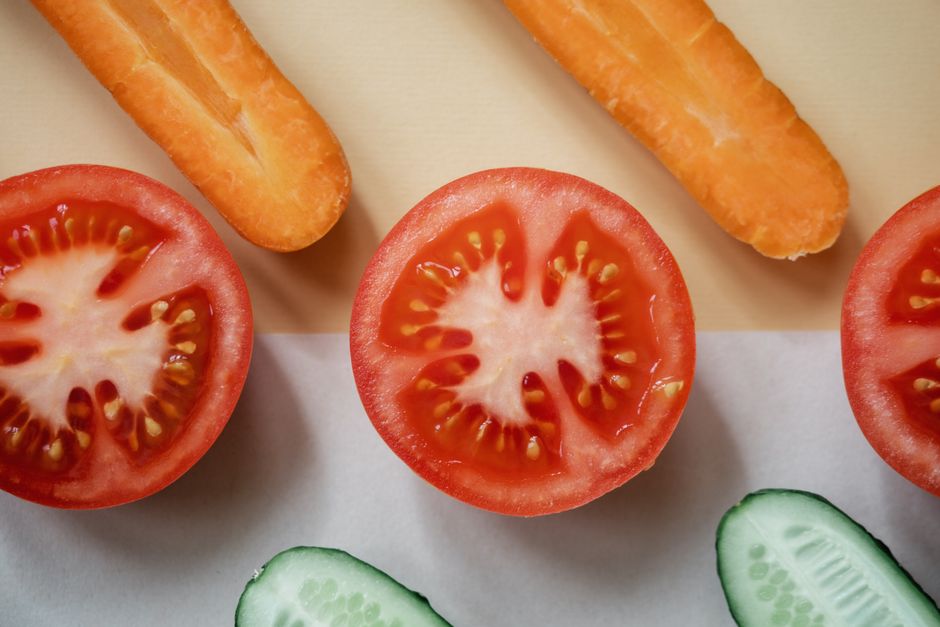
Lutein and zeaxanthin are carotenoid pigments found naturally in many fruits, vegetables, and grains. They belong to the xanthophyll family and are the primary pigments that give certain foods their vibrant yellow‑orange hues. In the human body, these compounds accumulate in the retina, particularly in the macula, where they help filter high‑energy blue light and act as antioxidants. Because of these properties, lutein and zeaxanthin are commonly discussed in the context of eye health, skin protection, and overall oxidative balance.
What Nutrition and Exercise Science Shows
Scientific investigations over the past two decades have explored how lutein and zeaxanthin interact with physiological systems. Below are key findings from peer‑reviewed research:
- Macular pigment density (MPD): Randomized controlled trials (RCTs) consistently report that daily supplementation with 10–20 mg of lutein plus 2–4 mg of zeaxanthin for 6–12 months can increase MPD by 0.05–0.15 optical density units, a change associated with improved visual performance in tasks such as glare recovery and contrast sensitivity.1,2
- Age‑related macular degeneration (AMD): Observational cohort studies have found that higher dietary intake of lutein‑rich foods correlates with a reduced risk of developing early AMD. The AREDS2 trial demonstrated that adding lutein (10 mg) and zeaxanthin (2 mg) to the original antioxidant formula was as effective as β‑carotene in supporting macular health, without the associated lung cancer risk in smokers.3
- Systemic antioxidant capacity: In athletes and active adults, short‑term (4–8 weeks) supplementation has been linked to modest reductions in plasma oxidative stress markers (e.g., malondialdehyde) after intense exercise bouts, suggesting a role in mitigating exercise‑induced oxidative damage.4
- Skin health: Small‑scale trials indicate that topical or oral lutein may improve skin hydration and reduce the appearance of fine lines, likely due to its ability to absorb blue light and neutralize free radicals generated by UV exposure.5
Overall, the evidence supports a relationship between adequate lutein/zeaxanthin intake and the maintenance of visual function, as well as a potential ancillary benefit for oxidative stress management during physical activity. However, most studies emphasize “association” rather than definitive causation, and individual responses can vary.
Whole Foods vs. Supplements
Both dietary sources and standardized supplements can contribute to daily lutein and zeaxanthin needs, but there are practical differences to consider.
- Bioavailability: The matrix of whole foods, especially when paired with dietary fat, enhances carotenoid absorption. For example, consuming kale with olive oil can increase lutein uptake by up to 2‑fold compared with eating the same vegetable raw and without fat.6
- Synergistic nutrients: Foods rich in lutein/zeaxanthin also provide vitamin C, vitamin E, flavonoids, and fiber, which may work together to amplify antioxidant effects.
- Standardized dosing: Supplements offer a precise amount of lutein and zeaxanthin, useful for individuals who have limited access to high‑content foods or who need to meet specific research‑based thresholds (e.g., 10 mg lutein daily).
- Cost and convenience: Fresh produce can be seasonal and sometimes expensive, whereas a bottle of high‑quality supplement provides a stable, year‑round source.
- Safety profile: Both sources are generally safe. Excessive supplement intake (>20 mg lutein per day) has not shown adverse effects in healthy adults, but extremely high doses may cause a harmless yellowing of the skin (carotenodermia). Whole‑food consumption rarely reaches such levels.
For most people, a balanced approach, prioritizing lutein‑rich foods while using supplements to fill any gaps, offers the most comprehensive benefit.
Practical Daily Integration Guidance
Below are actionable tips to incorporate lutein and zeaxanthin into everyday nutrition and lifestyle routines.
- Start with a colorful plate: Aim for at least one serving of dark leafy greens (e.g., kale, spinach, collard greens) or brightly colored vegetables (e.g., corn, orange peppers, peas) at lunch or dinner.
- Add healthy fats: Pair greens with avocado, nuts, seeds, or a drizzle of extra‑virgin olive oil to boost carotenoid absorption.
- Snack smart: Keep sliced kiwi, orange slices, or a small handful of pistachios on hand, they contain modest amounts of zeaxanthin and are easy to eat on the go.
- Blend it: Smoothies featuring spinach, frozen mango, and a tablespoon of chia seeds provide a lutein boost plus omega‑3 fatty acids.
- Consider a supplement: If you rarely eat leafy greens, a daily capsule delivering 10 mg lutein and 2 mg zeaxanthin can help meet research‑based targets. Choose a product verified by a third‑party testing program (e.g., USP, NSF).
- Timing with exercise: For athletes who perform high‑intensity training, taking a lutein/zeaxanthin supplement with a post‑workout meal that contains protein and fat may aid antioxidant recovery.
- Monitor intake: Use a simple food‑tracking app to log servings of lutein‑rich foods. Roughly 6–8 mg of lutein and 0.5–1 mg of zeaxanthin per day are typical for a diet rich in green vegetables.
Remember that consistency matters more than occasional “mega‑doses.” Regular, moderate intake aligns with the patterns observed in most long‑term studies.
Quick Reference Card: Benefits & Cautions
Potential Benefits
- Supports macular pigment density → may improve glare tolerance and contrast sensitivity.
- Associated with a lower risk of early age‑related macular degeneration in observational studies.
- May help reduce exercise‑induced oxidative stress when combined with a balanced diet.
- Contributes to skin protection against blue‑light and UV‑related oxidative damage.
Cautions & Considerations
- Do not replace prescribed eye‑care treatments; use as a supportive nutrient.
- Excessive supplemental doses (>20 mg lutein/day) can cause harmless skin yellowing.
- People with lutein‑sensitive allergies (rare) should start with small amounts.
- Supplements are not a substitute for a varied diet rich in fruits, vegetables, and healthy fats.