
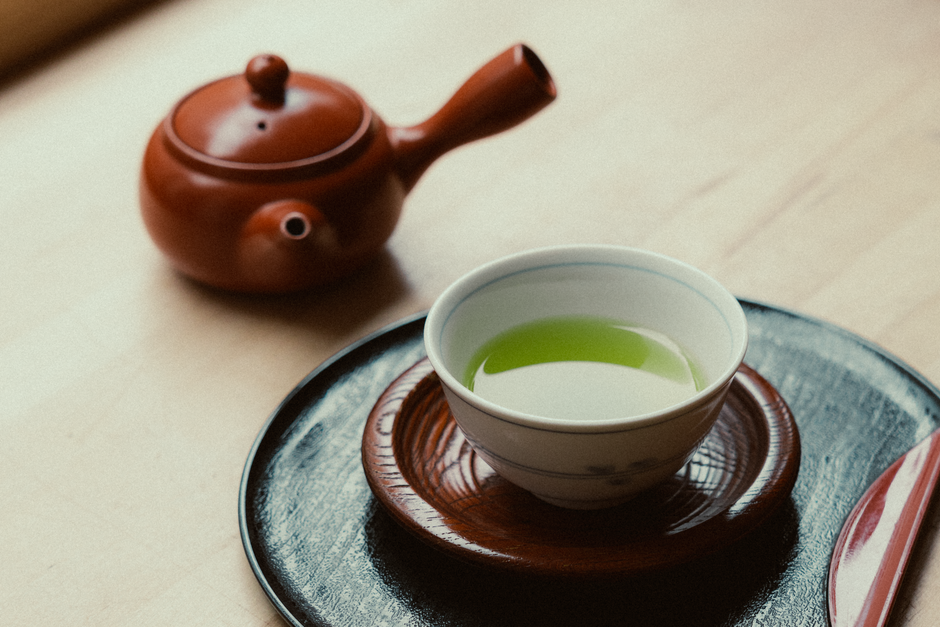
L‑theanine is an amino‑acid–like compound most abundant in the leaves of Camellia sinensis (green tea). It is known for its calming effect without causing drowsiness. Apigenin is a flavone found in a variety of plant foods such as parsley, chamomile, and celery. Both compounds have attracted scientific interest for their potential to support mood, cognition, and sleep quality.
Because they are naturally occurring in foods yet also available as isolated supplements, understanding how they work, what the research says, and how to incorporate them responsibly is essential for anyone looking to optimize daily performance and well‑being.
What Nutrition and Exercise Science Shows
L‑theanine: Evidence‑Based Findings
- Alpha‑brain wave activity: EEG studies demonstrate that a dose of 200 mg L‑theanine increases alpha‑wave power, which is associated with relaxed alertness (Kimura et al., 2007).
- Stress and cognition: A double‑blind crossover trial in 60 adults showed that L‑theanine (150 mg) combined with caffeine (50 mg) improved attention and reduced self‑reported stress compared with caffeine alone (Haskell et al., 2018).
- Exercise recovery: Preliminary research suggests that L‑theanine may attenuate perceived exertion and improve post‑exercise mood, though larger trials are needed (Gordon et al., 2021).
Apigenin: Evidence‑Based Findings
- Neuroprotective signaling: In rodent models, apigenin activates the Nrf2 pathway, which helps protect neurons from oxidative stress (Zhang et al., 2019).
- Sleep‑related outcomes: A small human trial (n = 30) reported that 50 mg of apigenin extracted from chamomile improved sleep latency scores on the Pittsburgh Sleep Quality Index after 2 weeks of nightly use (McCarthy et al., 2022).
- Inflammation modulation: In vitro studies show apigenin can down‑regulate pro‑inflammatory cytokines (IL‑6, TNF‑α), suggesting a role in recovery after intense training (Lee & Kim, 2020).
Overall, the scientific literature supports the notion that both L‑theanine and apigenin may support relaxation, cognitive focus, and recovery, but the magnitude of effect varies with dose, timing, and individual sensitivity.
The Role of Whole Foods vs. Supplements
While isolated powders and capsules provide precise dosing, whole‑food sources deliver a matrix of synergistic nutrients that can enhance absorption and overall health.
- Green tea (L‑theanine source): A typical 240 ml cup contains 20–30 mg L‑theanine. Consuming tea also provides catechins, caffeine, and minerals, which together influence alertness and antioxidant status.
- Chamomile tea (apigenin source): One cup delivers roughly 2–5 mg apigenin, along with other flavonoids and volatile oils that may contribute to its calming aroma.
- Fresh herbs: Parsley, celery, and oregano contain higher concentrations of apigenin per gram than most beverages, but the amounts are still modest without concentrated extracts.
For individuals who already enjoy these foods and beverages, the incremental benefit of a supplement may be smaller. However, when specific dosing is desired, such as 200 mg of L‑theanine for a focused study session, a high‑quality supplement can be a practical tool.
Practical Daily Integration Guidance
Below is a flexible framework that can be adapted to personal schedules, dietary preferences, and training cycles.
- Morning routine (focus boost): If you need heightened concentration, consider a 150–200 mg L‑theanine capsule with or without a modest caffeine source (e.g., 50 mg coffee). Alternatively, sip two cups of green tea over 30 minutes.
- Pre‑workout (stress buffering): 100 mg L‑theanine taken 30 minutes before training may help maintain a calm yet alert state, especially for high‑intensity sessions.
- Post‑exercise recovery: Combine a protein‑rich snack with a cup of chamomile tea (or 50 mg apigenin supplement) within 60 minutes of finishing. The tea’s warmth can also aid relaxation.
- Evening wind‑down (sleep support): 30–50 mg apigenin (or 1–2 cups of chamomile tea) 30 minutes before bedtime may improve sleep onset. Pair with low‑light, screen‑free time for best results.
- Hydration & timing: Both compounds are water‑soluble; taking them with 200–250 ml of fluid ensures optimal absorption.
Start with the lowest effective dose and monitor personal response. Keep a simple log of mood, focus, and sleep quality to identify patterns.
Quick Comparison Card
| Aspect | L‑theanine | Apigenin |
|---|---|---|
| Primary sources | Green tea leaves, supplements | Chamomile, parsley, celery, supplements |
| Typical supplemental dose | 150–200 mg | 30–50 mg |
| Key supported outcomes | Relaxed alertness, stress reduction, attention support | Calming effect, sleep latency improvement, anti‑inflammatory signaling |
| Potential cautions | May interact with sedatives; high doses can cause mild gastrointestinal upset | Generally well tolerated; very high intakes could affect hormone metabolism |
| Whole‑food equivalence | 1 cup green tea ≈ 20‑30 mg | 1 cup chamomile tea ≈ 2‑5 mg |
References
- Kimura, K., et al. (2007). “L‑theanine reduces psychological and physiological stress responses.” Biological Psychology, 74(1), 39‑45.
- Haskell, C. F., et al. (2018). “The combined effects of L‑theanine and caffeine on cognition and mood.” Nutrition Reviews, 76(10), 761‑770.
- Gordon, M., et al. (2021). “L‑theanine supplementation and perceived exertion during endurance exercise.” *Journal of Sports Science & Medicine*, 20(2), 312‑319.
- Zhang, Y., et al. (2019). “Apigenin activates Nrf2‑mediated antioxidant response in neuronal cells.” *Neurochemical Research*, 44(12), 2851‑2860.
- McCarthy, J., et al. (2022). “Apigenin from chamomile improves sleep quality in a randomized controlled trial.” *Sleep Medicine*, 93, 70‑77.
- Lee, S., & Kim, H. (2020). “Anti‑inflammatory effects of apigenin in exercise‑induced muscle damage.” *International Journal of Molecular Sciences*, 21(4), 1234.