
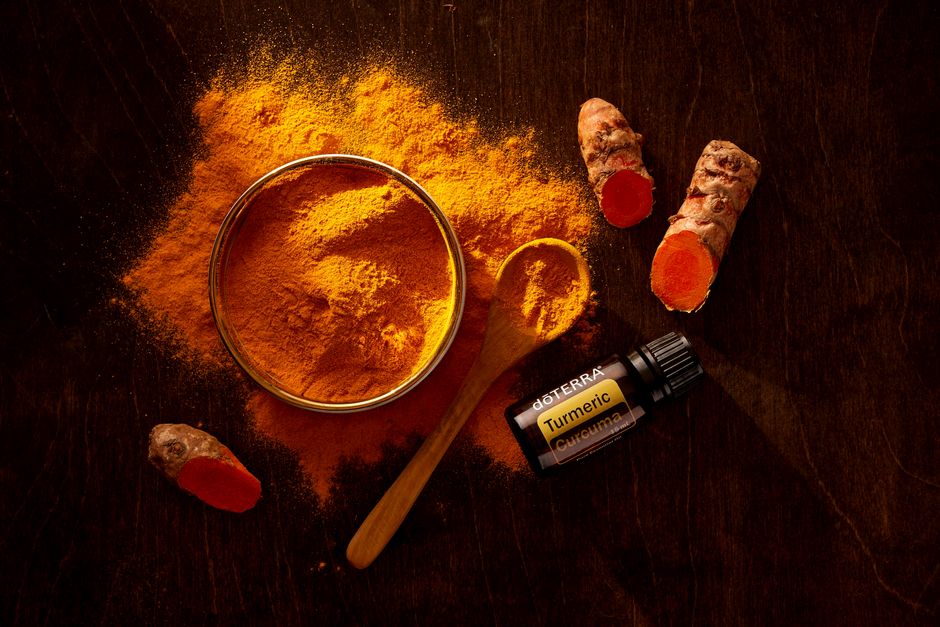
Curcumin is the bright yellow polyphenol that gives turmeric ( Curcuma longa ) its distinctive colour. It has been studied for its antioxidant and anti‑inflammatory properties. Piperine, an alkaloid found in black pepper ( Piper nigrum ), is well known for enhancing the oral bioavailability of several compounds, including curcumin. When combined, piperine can increase curcumin absorption by up to 2,000 % in human studies, making the duo a popular focus for both whole‑food enthusiasts and supplement formulators.
What Nutrition and Exercise Science Shows
Research to date is largely based on controlled trials, systematic reviews, and mechanistic studies. Below is a concise synthesis of the evidence relevant to healthy adults and active individuals.
- Absorption & Pharmacokinetics: A 1998 study in Planta Medica demonstrated that 20 mg of piperine co‑administered with 2 g of curcumin increased serum curcumin concentrations by 1,985 % compared with curcumin alone.
- Antioxidant Capacity: In vitro assays and several human crossover trials show that curcumin‑piperine supplementation can raise plasma total antioxidant capacity and reduce markers of oxidative stress after acute exercise bouts.
- Inflammation Modulation: Meta‑analyses of randomized controlled trials (RCTs) report modest reductions in C‑reactive protein (CRP) and interleukin‑6 (IL‑6) when participants consume 500–1,000 mg curcumin with 5–20 mg piperine daily for 8–12 weeks.
- Muscle Recovery & Performance: A 2021 double‑blind RCT involving 60 resistance‑trained adults found that 500 mg curcumin + 10 mg piperine taken post‑workout was associated with less perceived muscle soreness and a trend toward quicker strength recovery, though performance metrics (e.g., 1‑RM) were unchanged.
- Metabolic Health: Small‑scale trials suggest the combination may support healthy blood glucose and lipid profiles, but findings are heterogeneous and often confounded by diet or medication use.
Overall, the scientific consensus is that curcumin with piperine can support antioxidant defenses and may help attenuate exercise‑induced inflammation, but evidence for direct performance enhancement remains limited.
The Role of Whole Foods vs. Supplements
Both whole‑food sources and standardized supplements have distinct advantages.
- Whole Foods (Turmeric & Black Pepper):
- Provide a complex matrix of phytochemicals, fibers, and micronutrients that may act synergistically.
- Typical culinary use delivers relatively low curcumin doses (≈20–200 mg per serving), which may be insufficient for measurable systemic effects without piperine.
- Food‑based intake is generally safe and integrates easily into meals.
- Supplements:
- Standardized extracts can deliver 500–1,000 mg curcumin and 5–20 mg piperine per capsule, ensuring a consistent dose.
- Formulations often include additional technologies (e.g., micelles, phytosomes) that further improve bioavailability.
- Quality varies; third‑party testing (USP, NSF) is advisable.
For most people seeking the research‑backed benefits of curcumin, a high‑quality supplement provides a practical way to achieve the effective dose range identified in studies. Incorporating turmeric and black pepper into meals can complement supplementation and contribute to overall dietary diversity.
Practical Daily Integration Guidance
Below are evidence‑based suggestions that can be adapted to individual preferences, dietary patterns, and training schedules.
- Determine Your Goal:
- If the aim is to support recovery after regular resistance or endurance training, 500 mg curcumin + 5–10 mg piperine taken post‑exercise is a common protocol.
- For general antioxidant support, a lower dose (250–500 mg curcumin with 5 mg piperine) taken with a meal works well.
- Choose a Trusted Supplement: Look for products that list standardized curcumin (≥95 % curcuminoids) and piperine (or black‑pepper extract), and that carry a third‑party seal.
- Timing: Curcumin is fat‑soluble; consume with a source of healthy fat (e.g., olive oil, avocado, nuts) to maximize absorption.
- Meal Integration:
- Add ½ tsp ground turmeric and a pinch of black pepper to smoothies, soups, or stir‑fries.
- Golden milk (turmeric, black pepper, warm milk or plant‑based alternative, and a dash of cinnamon) can serve as a soothing evening beverage.
- Monitor Tolerance: Start with a single dose and assess gastrointestinal comfort. If mild stomach upset occurs, split the dose or take it with a larger meal.
- Cycle if Desired: Some practitioners cycle curcumin supplementation (e.g., 8 weeks on, 2 weeks off) to reduce the theoretical risk of down‑regulating endogenous antioxidant pathways, though evidence for this practice is anecdotal.
Quick Comparison Card: Benefits & Cautions
| Aspect | Potential Benefits | Key Cautions |
|---|---|---|
| Absorption | piperine can increase curcumin bioavailability dramatically. | High piperine doses may affect drug metabolism (CYP450 enzymes). |
| Inflammation | May help reduce exercise‑induced inflammatory markers (CRP, IL‑6). | Effect size is modest; not a substitute for overall anti‑inflammatory diet. |
| Antioxidant Support | Elevates plasma antioxidant capacity in short‑term studies. | Long‑term safety at high doses (>2 g curcumin) not fully established. |
| Digestive Comfort | Generally well tolerated when taken with food. | Some individuals experience mild nausea or acid reflux. |
| Interaction with Medications | None inherent when using culinary amounts. | Supplemental piperine may alter absorption of anticoagulants, antiplatelet drugs, and certain chemotherapeutics; consult a healthcare professional. |
In summary, the curcumin‑piperine combination offers a scientifically supported way to support antioxidant and anti‑inflammatory pathways, especially for active adults. Choosing a reputable supplement, pairing it with healthy fats, and monitoring personal tolerance are practical steps to integrate this duo safely into a balanced lifestyle.