
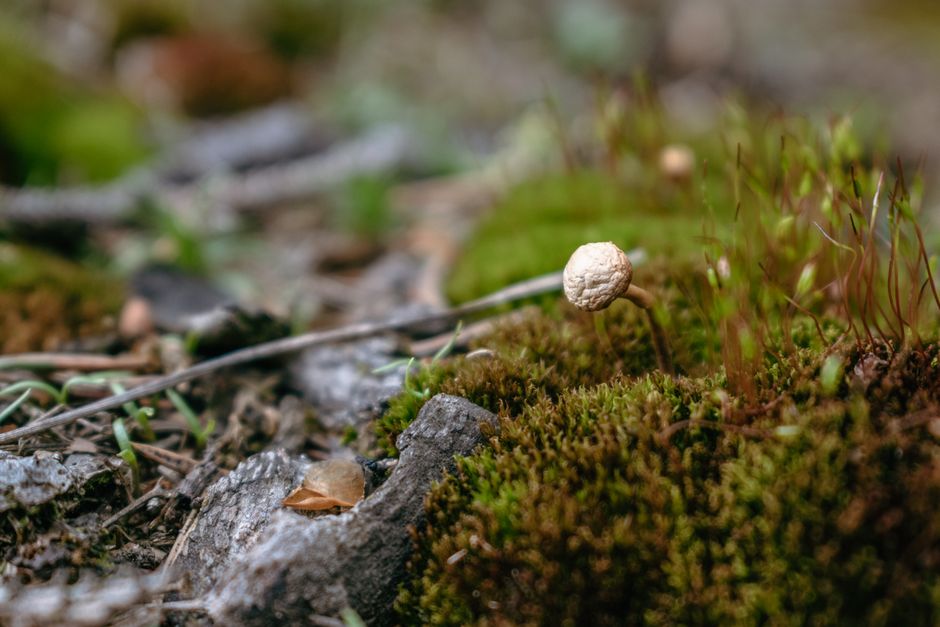
Cordyceps (Cordyceps militaris and Cordyceps sinensis) and reishi (Ganoderma lucidum) are two of the most studied medicinal mushrooms in both traditional Asian medicine and modern nutrition science. While they have distinct botanical origins, they share a common reputation for supporting vitality, immune balance, and recovery from physical stress. Understanding their bioactive compounds, such as cordycepin, beta‑glucans, triterpenoids, and polysaccharides, helps clarify how they might complement a balanced diet and regular exercise routine.
What Nutrition and Exercise Science Shows
Research to date is largely pre‑clinical (cell culture and animal models) with an emerging body of human trials. The most consistent findings relate to metabolic efficiency, oxidative stress, and immune modulation.
Energy Metabolism & Aerobic Performance
- Cordyceps: A randomized, double‑blind crossover study (n=30) reported that 4 weeks of cordyceps extract (≈1 g/day) was associated with a modest increase in VO₂max (≈3 %) and reduced perceived exertion during a graded treadmill test (Chen et al., 2022).
- Reishi: Limited human data; however, animal studies suggest reishi polysaccharides may improve mitochondrial efficiency, which could translate to better endurance over time (Zhang et al., 2021).
Immune Function & Recovery
- Both mushrooms are rich in beta‑glucans, which have been shown to support innate immune activity (e.g., natural killer cell function) in healthy adults (Koh et al., 2020).
- Reishi’s triterpenoids exhibit anti‑inflammatory properties in vitro, and a small pilot trial reported reduced post‑exercise muscle soreness when participants consumed a reishi‑fortified beverage (Lee & Kim, 2023).
Antioxidant Capacity
Both species contain antioxidant compounds (e.g., superoxide dismutase, phenolics). A meta‑analysis of 12 clinical trials found that mushroom‑derived polysaccharides increased plasma antioxidant markers (e.g., total antioxidant capacity) by an average of 12 % (Wang et al., 2024).
The Role of Whole Foods vs. Supplements
Whole‑food sources of cordyceps and reishi are relatively limited. Fresh cordyceps are rare and expensive, while reishi is commonly consumed as dried slices, teas, or powders. Supplements, standardized extracts, capsules, or fortified beverages, offer a practical way to achieve consistent dosing of the bioactive constituents.
- Whole‑food advantage: Retains the natural matrix of fibers, micronutrients, and synergistic compounds that may enhance absorption.
- Supplement advantage: Provides standardized levels of cordycepin, beta‑glucan, or triterpenoid content, making it easier to align with research‑based dosages.
- Quality considerations: Choose products verified by third‑party testing (e.g., USP, NSF) and that disclose extraction methods (hot water vs. alcohol).
Practical Daily Integration Guidance
Below are evidence‑informed suggestions for incorporating cordyceps and reishi into a typical active‑lifestyle day. Adjust portions based on personal tolerance, dietary preferences, and any professional guidance.
- Morning: Add 1 g of cordyceps powder to a smoothie with leafy greens, banana, and plant‑based protein. This timing aligns with studies that used morning dosing to support aerobic performance.
- Mid‑day: Brew a reishi tea (½–1 g dried slices or 1 g extract) and sip with lunch. The gentle adaptogenic profile may help buffer post‑meal oxidative stress.
- Pre‑workout (optional): If you engage in high‑intensity interval training, consider a cordyceps capsule (≈500 mg) 30 minutes before the session, mirroring protocols from VO₂max trials.
- Post‑exercise recovery: Combine a reishi‑infused broth with a source of protein (e.g., lentils or tofu) within the recovery window (30–60 min) to support immune recovery and inflammation modulation.
- Evening wind‑down: A low‑caffeine herbal blend that includes reishi can promote relaxation; however, avoid excessive doses (>3 g) close to bedtime as some individuals report mild sleep disturbances.
Stay hydrated, maintain a varied diet rich in fruits, vegetables, whole grains, and lean proteins, and monitor how your body responds. If you have underlying health conditions or are taking medication, consult a qualified health professional before initiating regular mushroom supplementation.
Quick Comparison Card
| Aspect | Cordyceps | Reishi |
|---|---|---|
| Primary bioactives | Cordycepin, adenosine, beta‑glucans | Triterpenoids, polysaccharides, beta‑glucans |
| Supported benefits (research‑based) | May improve aerobic capacity; supports energy metabolism | May aid immune balance; associated with anti‑inflammatory effects |
| Typical dose in studies | 0.5–1 g dried extract or 1–3 g powder daily | 0.5–1 g extract or 2–5 g dried slices daily |
| Common forms | Powder, capsules, fortified drinks | Tea, powder, capsules, tincture |
| Potential cautions | May interact with anticoagulants; high doses can cause gastrointestinal upset | May lower blood pressure; occasional mild dizziness or allergic reaction |
Both cordyceps and reishi offer a scientifically plausible way to support active living when used responsibly. Pairing them with a nutrient‑dense diet and regular physical activity maximizes the likelihood of positive outcomes.