
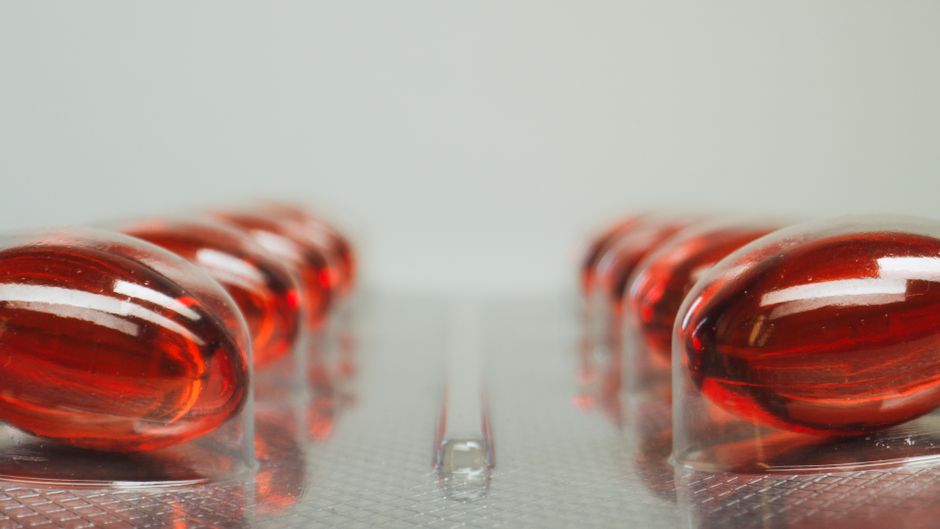
Astaxanthin is a red‑pigmented carotenoid found naturally in certain micro‑algae, yeast, salmon, trout, krill, shrimp, and lobster. It belongs to the same family as beta‑carotene and lutein but is distinguished by a unique molecular structure that gives it exceptionally strong antioxidant capacity. Because of its ability to neutralize free radicals and modulate inflammation, astaxanthin has attracted interest from nutrition and exercise scientists looking for safe, plant‑derived compounds that may support cellular health, endurance performance, and recovery.
What Nutrition and Exercise Science Shows
Research on astaxanthin is still evolving, but several peer‑reviewed studies provide insight into its potential effects:
- **Antioxidant Power** – In vitro assays consistently rank astaxanthin 10–100 times more potent than vitamin E and 2–3 times more potent than beta‑carotene at quenching singlet oxygen.1
- **Exercise Recovery** – A double‑blind, placebo‑controlled trial involving 30 trained cyclists reported that 12 mg of astaxanthin per day for 4 weeks reduced post‑exercise muscle soreness and oxidative stress markers (malondialdehyde) compared with placebo.2
- **Endurance Performance** – A crossover study with 20 recreational runners found that 8 mg of astaxanthin for 8 weeks was associated with a modest (≈3 %) improvement in VO₂max and a reduction in perceived exertion during a treadmill test.3
- **Skin Health** – Clinical trials on oral astaxanthin (4–12 mg/day) have shown improvements in skin elasticity and moisture, likely due to its ability to protect dermal collagen from oxidative damage.4
- **Eye Health** – Animal models suggest that astaxanthin may support retinal function by crossing the blood‑retina barrier and reducing oxidative injury, though human data remain limited.5
Overall, the evidence points to astaxanthin as a safe, well‑tolerated compound that supports antioxidant defenses and may help reduce exercise‑induced oxidative stress. However, most studies involve relatively small sample sizes and short intervention periods, so larger, long‑term trials are needed to confirm these findings.
The Role of Whole Foods vs. Supplements
Astaxanthin can be obtained through diet or as a concentrated supplement. Each source has distinct advantages:
- Whole Foods – Wild‑caught salmon, trout, and shellfish provide astaxanthin alongside high‑quality protein, omega‑3 fatty acids, vitamin D, and minerals. Consuming the whole food matrix may enhance nutrient absorption and offers additional health benefits beyond astaxanthin alone.
- Supplements – Standardized extracts (often derived from the micro‑alga Haematococcus pluvialis) deliver precise dosages (4–12 mg) that are difficult to achieve through diet alone. Supplements are convenient for individuals who do not consume seafood regularly or who aim for specific research‑backed dosages.
For most people, incorporating a couple of servings of astaxanthin‑rich seafood per week can contribute meaningfully to overall intake. When dietary sources are limited, a high‑quality supplement, certified free of contaminants and verified for potency, offers a reliable alternative.
Practical Daily Integration Guidance
- Assess Your Baseline – Determine how often you consume astaxanthin‑rich foods (e.g., salmon, shrimp, krill oil). If intake is < 2 servings per week, consider a supplement.
- Choose a Reputable Supplement – Look for products that list Haematococcus pluvialis extract, provide a specific dosage (e.g., 4 mg, 8 mg, or 12 mg), and have third‑party testing for purity (e.g., USP, NSF).
- Timing – Astaxanthin is fat‑soluble; take it with a meal containing healthy fats (olive oil, avocado, nuts) to maximize absorption.
- Dosage Guidance – For general antioxidant support, 4–6 mg per day is commonly used in research. Athletes seeking potential recovery benefits often use 8–12 mg per day, divided into one dose with a main meal.
- Combine with Complementary Nutrients – Pair astaxanthin with omega‑3 fatty acids (e.g., fish oil) and vitamin C/E to create a synergistic antioxidant network.
- Monitor Tolerance – Astaxanthin is well tolerated, but some individuals report mild orange‑tinged skin at high doses. Reduce dosage if this occurs.
Sample day for a non‑vegetarian:
- Breakfast: Greek yogurt with berries and a handful of walnuts (healthy fats).
- Lunch: Grilled salmon (≈150 g) with quinoa and mixed vegetables.
- Afternoon snack: Astaxanthin supplement (8 mg) taken with a small avocado salad.
- Dinner: Stir‑fried shrimp with broccoli, bell peppers, and sesame oil.
Summary Card: Benefits & Cautions
| Aspect | Potential Benefits (Evidence‑Based) | Key Cautions / Considerations |
|---|---|---|
| Antioxidant Activity | Supports cellular oxidative defense; up to 100× stronger than vitamin E in lab assays.1 | Effectiveness depends on adequate dietary fat for absorption. |
| Exercise Recovery | May help reduce post‑exercise muscle soreness and oxidative markers.2 | Benefits observed at 8–12 mg/day; lower doses may be less impactful. |
| Endurance Performance | Associated with modest improvements in VO₂max and perceived effort.3 | Results are modest; not a substitute for training. |
| Skin & Eye Health | Supports skin elasticity and moisture; animal data suggest retinal protection.4,5 | Human eye‑health data are limited; more research needed. |
| Safety Profile | Generally recognized as safe up to 40 mg/day in adults.6 | High doses can cause temporary orange skin tint; consult a healthcare professional if pregnant, nursing, or on medication. |
Astaxanthin is a potent, naturally occurring carotenoid that supports antioxidant mechanisms and shows promise for exercise recovery and overall skin health. Incorporating astaxanthin through seafood or a well‑sourced supplement, paired with healthy fats, offers a practical way to harness its benefits while respecting the current limits of scientific evidence.