
Sitting down to a hearty breakfast of eggs, avocado, and whole‑grain toast, only to feel that familiar sluggishness a few hours later. That uneasy feeling often stems from how efficiently your body breaks down and absorbs the nutrients on your plate. Two popular tools, digestive enzymes and betaine (trimethylglycine), are frequently discussed in nutrition circles for their potential to support digestion and gut health. While they share some overlapping functions, they act in distinct ways, and understanding those differences can help you decide which, if either, fits into your routine.
What Science Shows
Research in nutrition and exercise science provides a nuanced picture of both digestive enzymes and betaine. Below is a concise overview of the current evidence.
Digestive Enzymes
Digestive enzymes are proteins that catalyze the breakdown of macronutrients:
- Proteases (e.g., pepsin, trypsin) target proteins.
- Amylases act on carbohydrates, converting starches to simple sugars.
- Lipases facilitate the hydrolysis of dietary fats into fatty acids and glycerol.
Clinical trials suggest that supplemental enzymes may support nutrient absorption in specific populations, such as individuals with pancreatic insufficiency, lactase deficiency, or age‑related declines in endogenous enzyme production. In healthy adults, the benefits are modest, often limited to reduced bloating or improved comfort after high‑fat meals.
Betaine (Trimethylglycine)
Betaine is a naturally occurring compound found in beets, spinach, and whole grains. Its primary actions relevant to digestion include:
- Acting as an osmolyte that helps maintain cellular hydration, which can support the integrity of the gastrointestinal lining.
- Donating methyl groups in the betaine‑homocysteine methyltransferase pathway, indirectly influencing liver function and the synthesis of phosphatidylcholine, a key component of bile.
Studies indicate that betaine supplementation may improve body composition and exercise performance, likely through enhanced protein synthesis and reduced inflammation. Its direct impact on digestive efficiency is less well‑documented, but some research links betaine to improved gut barrier function and reduced symptoms of functional dyspepsia.
The Role of Whole Foods vs Supplements
Whole foods remain the foundation of a nutrient‑dense diet. Both enzymes and betaine are naturally present in many foods, and consuming a varied diet can often meet most needs.
- Digestive enzymes are abundant in raw pineapple (bromelain), papaya (papain), fermented foods (lactase), and sprouted grains. Regularly including these foods can provide a gentle, food‑based enzyme boost.
- Betaine is concentrated in beets, quinoa, spinach, and seafood. Incorporating these items supports methylation pathways without the need for isolated powders.
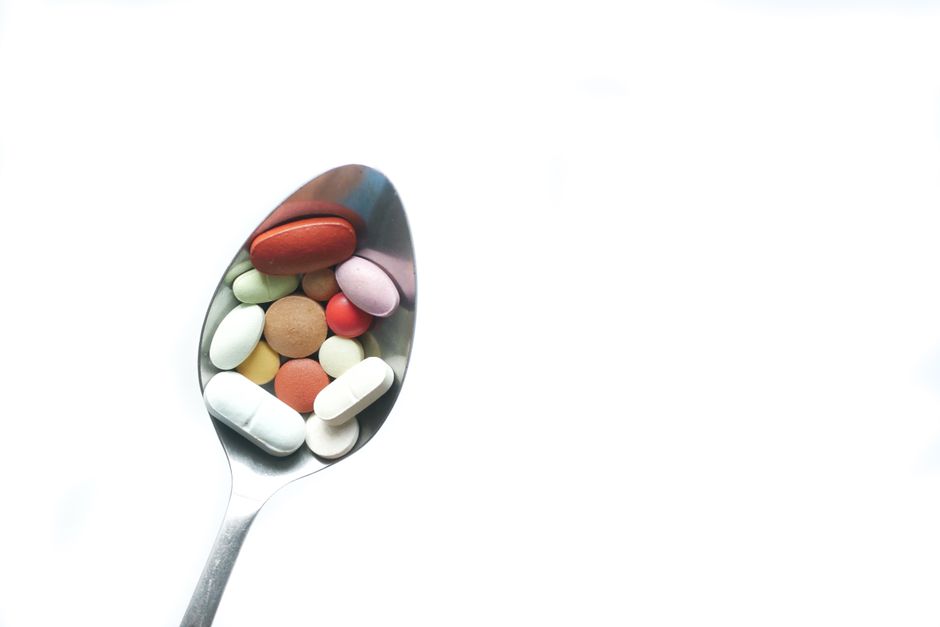
Supplementation becomes relevant when dietary intake is insufficient, when specific gastrointestinal challenges arise, or when training demands increase protein and fat turnover. In such cases, a high‑quality, clinically tested product can fill the gap.
For those who decide a supplement is appropriate, consider a formula that combines broad‑spectrum enzymes with a clinically studied dose of betaine. Check Price for Digestive Enzymes Vs Betaine on Amazon ↗ for a convenient option.
Practical Daily Integration Guidance
Below are evidence‑based steps you can adopt, whether you prefer food‑first strategies or decide to add a supplement.
- Start with a balanced plate. Aim for a mix of protein, complex carbs, and healthy fats at each meal. Include at least one enzyme‑rich food (e.g., a handful of raw pineapple or a serving of fermented kimchi).
- Hydrate intelligently. Adequate water supports enzyme activity and betaine’s osmolyte function. Target 2 to 3 L of fluid per day, adjusting for activity level.
- Schedule betaine‑rich foods. Add beets, quinoa, or spinach to lunch or dinner a few times per week to maintain steady methyl donor availability.
- Consider timing for supplements. If using a digestive enzyme capsule, take it with the first bite of a meal containing protein or fat. For betaine powder or capsule, follow the label, typically 2.5 to 6 g per day, split between meals.
- Monitor and adjust. Keep a brief food‑symptom log for two weeks. Note any reductions in bloating, gas, or post‑exercise gastrointestinal discomfort, and tweak food choices or supplement timing accordingly.
Summary Comparison
| Aspect | Digestive Enzymes | Betaine (TMG) |
|---|---|---|
| Primary Function | Accelerates breakdown of proteins, carbs, and fats | Supports cellular hydration and methylation pathways |
| Typical Sources | Pineapple, papaya, fermented dairy, sprouted grains | Beets, quinoa, spinach, seafood |
| Evidence in Healthy Adults | Modest reduction in post‑meal discomfort | Associated with improved gut barrier and exercise recovery |
| When Supplements May Help | Pancreatic insufficiency, lactase deficiency, high‑fat meals | Low dietary betaine, high training load, functional dyspepsia |
| Potential Cautions | Excessive doses can cause abdominal cramps; may interact with certain medications | High doses may raise blood methanol levels; monitor if on methylation‑affecting drugs |
Both digestive enzymes and betaine offer pathways to support gut function and overall performance, but they are not interchangeable. By prioritizing whole‑food sources first and reserving supplements for targeted needs, you can create a flexible, science‑backed approach that aligns with your lifestyle and health goals.