
Understanding Your Digestive System: How Food Becomes Energy
While you slept, your digestive system was already at work. Peristalsis, the wave-like muscle contractions, moved residual food through your intestines. As you wake, your stomach prepares for today’s meals by producing acids and enzymes, your pancreas readies bicarbonate to neutralize incoming acid, and your liver releases bile to emulsify fats.

Yet modern life constantly disrupts these finely tuned processes. Stress delays gastric emptying, processed foods lack the fiber needed for healthy motility, and chronic medication use alters stomach acid production. The result: bloating, irregular bowel movements, and that heavy, uncomfortable feeling after meals.
📊 Evidence Summary: What We Know vs. What Remains Uncertain
What We Know: Research indexed in PubMed shows that digestive enzyme production peaks within 30 minutes of food anticipation, that stomach acid supports pathogen defense, and that gut motility follows circadian rhythms influenced by light exposure and meal timing.
What Remains Uncertain: Optimal enzyme dosing, individual acid requirements, and personalized motility restoration protocols vary significantly between individuals. More research is needed on tailored digestive support strategies.
Stomach Acid: Your First Line of Digestive Defense
Your stomach produces hydrochloric acid (HCl) to break down proteins and activate pepsin, an enzyme that splits proteins into smaller peptides. But HCl also serves as a critical immune barrier, most pathogens cannot survive the stomach’s pH of 1.5 to 3.5.
Paradoxically, many people with chronic indigestion actually produce insufficient stomach acid, not excess. This condition, called hypochlorhydria, affects up to 40% of adults over 60. When acid production drops, proteins remain undigested, leading to fermentation by gut bacteria, gas, and bloating.
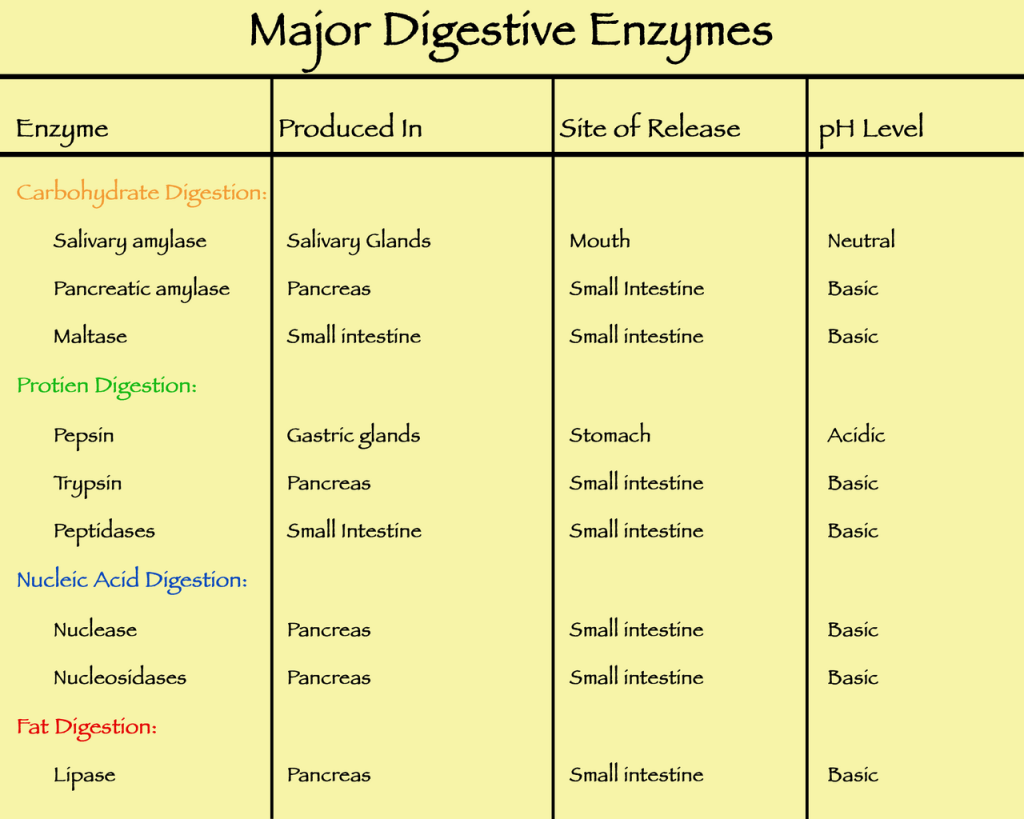
Digestive Enzymes: Breaking Down What You Eat
Different nutrients require different digestive enzymes for optimal breakdown:
| Nutrient | Digestive Enzyme | Primary Action |
|---|---|---|
| Proteins | Pepsin (stomach), Trypsin/Chymotrypsin (small intestine) | Cleaves protein into amino acids |
| Fats | Lipase | Breaks triglycerides into fatty acids and monoglycerides |
| Carbohydrates | Alpha-amylase, Lactase, Maltase, Sucrase | Converts starches and sugars into glucose |
| Fiber | Cellulase (from gut bacteria) | Ferments insoluble fiber into short-chain fatty acids |
Gut Motility: The Rhythm That Moves Everything Through
Gut motility refers to the coordinated muscle contractions that move food through your digestive tract. There are two types of motility:
- Propulsive motility: Pushes content forward, like the peristaltic waves during a meal and the migrating motor complex between meals.
- Segmental motility: Mixes and churns content to ensure thorough digestion and nutrient absorption.
When motility slows, you experience constipation, bloating, and a feeling of fullness. When it speeds up, you get diarrhea and urgency. The migrating motor complex (MMC) is particularly important, it sweeps undigested debris and bacteria from your small intestine every 90-120 minutes when you’re not eating.
Optimizing Digestion Through Meal Timing
Your digestive system follows a predictable pattern throughout the day. Stomach acid production peaks in the morning and gradually decreases through the afternoon. This means breakfast with higher protein is digested more efficiently than a heavy protein dinner.
Circular eating patterns matter too. Irregular meal times confuse your gastrocolic reflex, the signal that tells your colon to contract after eating. This leads to unpredictable bowel movements and inefficient nutrient absorption.
Chewing and Saliva: The Overlooked Start of Digestion
Digestion begins in your mouth, not your stomach. Saliva contains amylase, an enzyme that starts breaking down starches. Thorough chewing does three things:
- Mixes food with saliva: Begins starch digestion and lubricates food for easier swallowing.
- Signals satiety: Chewing triggers hormones that tell your brain you’re satisfied, helping prevent overeating.
- Reduces digestive workload: Well-chewed food requires less stomach acid and enzyme production, reducing digestive stress.
Most people chew each bite only 7-8 times instead of the ideal 15-20. Try putting your fork down between bites and counting to 30 before taking the next bite. This simple change reduces bloating and improves nutrient extraction.
Digestive Support Through Food Preparation
Cooking methods matter for digestibility. Here’s how different approaches affect your digestive load:
- Sprouting and fermenting: Pre-digests nutrients by activating enzymes that break down phytic acid and enzyme inhibitors.
- Soaking beans overnight: Reduces oligosaccharides that cause gas and bloating.
- Cooking vegetables: Breaks down cellulose, making nutrients more bioavailable.
- Removing tough stems and skins: Eliminates insoluble fiber that can irritate sensitive digestive tracts.
Recognizing Digestive Distress Signals
Your digestive system communicates with clear warning signs:
- Bloating after meals: Often indicates incomplete protein digestion or carbohydrate malabsorption.
- Heartburn: May signal insufficient stomach acid or delayed gastric emptying, not necessarily excess acid.
- Constipation: Usually means insufficient motility-stimulating fiber or inadequate water intake.
- Food intolerances: Lactose, fructose, and histamine sensitivity affect digestive comfort and nutrient absorption.
Daily Habits for Digestive Wellness
Support your digestion with these evidence-backed habits:
- Eat mindfully: Sit away from screens, chew slowly, and focus on your food. Research shows mindful eating improves digestion by up to 30%.
- Move after meals: A 10-minute walk after eating stimulates gastric emptying and reduces post-meal blood sugar spikes.
- Manage stress: Chronic stress suppresses digestive enzyme production and alters gut bacteria through the gut-brain axis.
- Stay hydrated: Your large intestine extracts water from waste, so adequate fluid intake keeps stool soft and easy to pass.
- Sleep on your left side: This position uses gravity to help stomach contents flow through your digestive tract more efficiently.
Conclusion: Your Digestive System Is Self-Optimizing When You Work With It
Your digestive system is remarkably adaptable. By understanding how stomach acid, enzymes, motility, and gut bacteria work together, you can make targeted changes that dramatically improve how you feel after every meal. Start with the basics, thorough chewing, mindful eating, and consistent meal times, and build from there. Your microbiome and metabolic health will thank you.
Stool Analysis: Reading the Clues Your Body Leaves Behind
Your stool is a direct window into your digestive health. The Bristol Stool Chart, developed by Dr. Stephen Lewis, classifies stool into seven types ranging from hard pellets (Type 1) to entirely liquid (Type 7). Ideally, you want Type 3 or 4 stools, smooth, soft, and S-shaped.
Beyond shape, your stool reveals information about your digestive efficiency. Pale or clay-colored stools may indicate bile flow problems. Floating stools often mean excess gas or inadequate enzyme activity. Undigested food particles suggest incomplete breakdown. Dark, tarry stools can signal upper GI bleeding or iron supplementation.
Food Sensitivities and Digestive Stress
Unlike food allergies (which trigger immediate immune responses), food sensitivities develop gradually and can cause digestive distress, inflammation, and fatigue hours or days after consumption. Common triggers include dairy, gluten, eggs, and certain additives.
The elimination diet is the gold standard for identifying food sensitivities. You remove suspected trigger foods for 3-4 weeks, then systematically reintroduce them while tracking symptoms. This method helps distinguish between true intolerances and general digestive upset.
Loading Your Digestive System for Optimal Performance
Think of your digestive system like a muscle, it works best when you support it consistently. Before meals, take a moment to center yourself. Sip warm water. Take a short walk. These small rituals activate the parasympathetic nervous system, the “rest and digest” mode that primes your stomach for optimal acid production and enzyme release.
Hydration and Digestive Transit Time
Water is essential for every phase of digestion. Your stomach needs adequate fluid to produce hydrochloric acid. Your small intestine requires water to dissolve bile acids and absorb nutrients. Your colon depends on water to maintain soft, passable stool.
Most people don’t drink enough water for optimal digestion. The rule of “8 glasses a day” is misleading, you need closer to half your body weight in ounces. For someone weighing 150 pounds, that’s 75 ounces (about 9 cups) of fluids spread throughout the day, with the majority consumed before noon.