
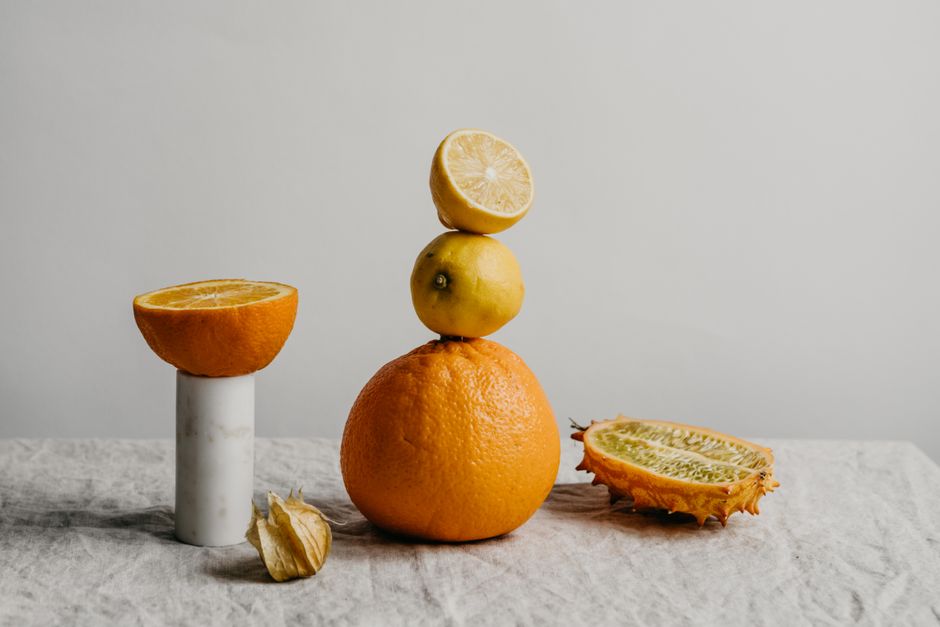
Sipping a fragrant tea made from the bright, aromatic peel of citrus bergamot, while knowing that each sip could be nudging your cholesterol numbers toward a healthier range. This Mediterranean fruit, a close cousin of the orange and lemon, has been the subject of growing scientific interest for its potential to support lipid balance, thanks to a unique blend of flavonoids, polyphenols, and essential oils. Whether you’re a seasoned athlete, a busy professional, or simply someone who enjoys a vibrant diet, understanding how bergamot fits into the broader picture of cholesterol management can help you make informed, realistic choices.
What Science Shows
Research over the past decade has examined bergamot extract in both laboratory and human trials. Key findings include:
- Rich in flavonoids such as neoeriocitrin, naringin, and neohesperidin, which exhibit antioxidant activity that may protect LDL particles from oxidative damage.
- Randomized controlled trials in adults with borderline high LDL‑C have reported modest reductions (≈5‑10 %) in total cholesterol and LDL‑C when bergamot extract was taken for 12‑weeks.
- Some studies suggest a slight increase in HDL‑C and a reduction in triglycerides, though results are not uniform across all populations.
- Mechanistically, bergamot polyphenols appear to influence HMG‑CoA reductase activity and improve bile acid metabolism, pathways also targeted by conventional statins.
It is important to note that most trials used standardized extracts containing 300 mg to 1 g of bergamot flavonoids per day, and the magnitude of effect is generally less than that achieved with prescription lipid‑lowering medication. Nevertheless, the consistency of findings across independent labs supports the idea that bergamot may be a useful adjunct for individuals seeking to maintain healthy cholesterol levels.
The Role of Whole Foods vs Supplements
Whole foods provide a matrix of nutrients that interact synergistically. Incorporating bergamot through its natural form, such as fresh fruit, zest, or bergamot‑infused tea, delivers fiber, vitamin C, and a spectrum of phytochemicals that can complement a heart‑healthy diet. However, the concentration of active flavonoids in a single serving of fruit is relatively low compared with a standardized supplement.
For people who want a reliable dose of the bioactive compounds, a high‑quality bergamot supplement can fill the gap. When choosing a product, look for:
- Standardized to contain at least 30 % total flavonoids.
- Third‑party testing for purity and absence of contaminants.
- Transparent labeling of dosage per serving.
One example of a product that meets these criteria is available here: Check Price for Citrus Bergamot For Cholesterol Balance on Amazon ↗. This supplement delivers a consistent 500 mg of bergamot extract per capsule, which aligns with dosages used in many clinical studies.
Practical Daily Integration Guidance
Below are evidence‑backed strategies to weave bergamot into a cholesterol‑supportive routine without overcomplicating your day.
- Morning boost: Add a teaspoon of fresh bergamot zest to your oatmeal, yogurt, or smoothie. The zest provides a burst of flavor and a modest amount of flavonoids.
- Mid‑day tea: Steep 1‑2 grams of dried bergamot peel in hot water for 5 minutes. Drink the tea plain or with a splash of lemon. This habit supplies a steady stream of polyphenols.
- Supplement timing: If you opt for a capsule, take it with a meal that contains healthy fats (e.g., olive oil, avocado, nuts) to enhance absorption of fat‑soluble compounds.
- Combine with other heart‑healthy foods: Pair bergamot with fiber‑rich sources such as oats, beans, or apples, and with omega‑3‑rich foods like salmon or flaxseeds. This combination supports overall lipid metabolism.
- Consistency matters: Aim for a daily intake, whether through food or supplement, of at least 300 mg of standardized bergamot flavonoids for a minimum of 8‑12 weeks to observe potential benefits.
Remember that lifestyle factors such as regular aerobic activity (≈150 minutes per week of moderate intensity), adequate sleep, and stress management amplify the positive impact of any dietary intervention.
Summary
| Benefit | Caution / Consideration |
|---|---|
| Supports healthy LDL‑C and total cholesterol levels (≈5‑10 % reduction in trials). | Effects are modest; not a substitute for prescribed lipid‑lowering medication. |
| Provides antioxidant flavonoids that may protect LDL from oxidation. | High doses may interact with certain medications (e.g., statins, anticoagulants); consult a healthcare professional. |
| Can be incorporated as whole food (zest, tea) or standardized supplement for consistent dosing. | Whole‑food amounts contain lower flavonoid concentrations; supplements are needed for research‑based dosages. |
| May modestly raise HDL‑C and lower triglycerides in some individuals. | Individual responses vary; monitor lipid panels regularly. |