
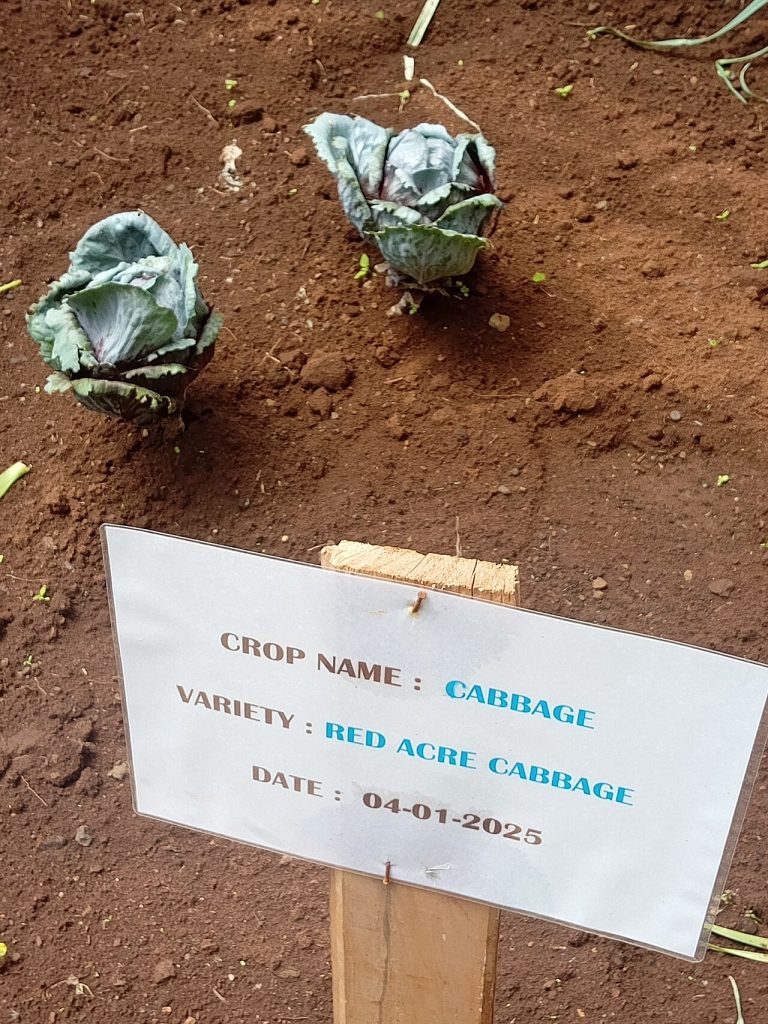
✓ Quick Scientific Takeaway
- Primary Bioactive: S-Methylmethionine Sulfonium (Vitamin U), Bioavailable L-Glutamine, Glucobrassicin, and Anthocyanins (Red Cabbage).
- Physiological Target: S-Methylmethionine and L-glutamine serve as essential cellular fuel and building blocks for <strong>gastric mucosal epithelial cells (enterocytes)</strong>, stimulating mucin glycoprotein synthesis and accelerating the closure of peptic ulcers.
- Evidence-Based Outcome: Landmark clinical gastroenterology studies led by Dr. Garnett Cheney at Stanford University School of Medicine proved that drinking fresh raw cabbage juice healed peptic ulcers in an average of 7.3 days (compared to 42 days with standard hospital care).
- Optimal Timing Protocol: Consume 1 to 2 cups of freshly shredded raw cabbage daily in coleslaws and salads, or drink 4 to 8 oz of freshly pressed raw cabbage juice for acute stomach soothing.
1. Biological Overview & Active Molecular Mechanisms
Cabbage (Brassica oleracea var. capitata) has a celebrated history in medical gastroenterology due to its high concentration of S-Methylmethionine, historically designated as “Vitamin U” (for ulcer healing). S-Methylmethionine donates methyl groups required for the rapid regeneration of gastric epithelial mucin layers. Combined with high natural levels of L-Glutamine, the primary metabolic fuel for enterocytes, raw cabbage repairs stomach erosions, soothes gastritis, and protects against NSAID-induced gastric injury.
S-Methylmethionine and L-glutamine serve as essential cellular fuel and building blocks for gastric mucosal epithelial cells (enterocytes), stimulating mucin glycoprotein synthesis and accelerating the closure of peptic ulcers.
2. Evidence-Based Health Benefits & Clinical Research
1. Rapid Gastric Mucosal & Peptic Ulcer Healing
Stimulates gastric mucosal regeneration, clinically proven to accelerate the healing of stomach and duodenal ulcers.
2. L-Glutamine Fuel for Intestinal Enterocyte Integrity
Provides abundant bioavailable glutamine to repair intestinal micro-tears and seal tight junctions against leaky gut.
3. Red Cabbage Anthocyanins for Vascular Protection
Red cabbage delivers 36 distinct anthocyanins that protect endothelial blood vessels and reduce arterial inflammation.
3. Clinical Specification & Dosage Reference Matrix
| Parameter | Clinical Standard & Specification |
|---|---|
| Primary Bioactive Complex | S-Methylmethionine Sulfonium (Vitamin U), Bioavailable L-Glutamine, Glucobrassicin, and Anthocyanins (Red Cabbage). |
| Physiological Action | S-Methylmethionine and L-glutamine serve as essential cellular fuel and building blocks for gastric mucosal epithelial cells (enterocytes), stimulating mucin glycoprotein synthesis and accelerating the closure of peptic ulcers. |
| Validated Clinical Dosage | Landmark clinical gastroenterology studies led by Dr. Garnett Cheney at Stanford University School of Medicine proved that drinking fresh raw cabbage juice healed peptic ulcers in an average of 7.3 days (compared to 42 days with standard hospital care). |
| Nutritional Timing Rule | Consume 1 to 2 cups of freshly shredded raw cabbage daily in coleslaws and salads, or drink 4 to 8 oz of freshly pressed raw cabbage juice for acute stomach soothing. |
4. Frequently Asked Questions & Clinical Guidelines
Q: How long before noticeable biological effects occur?
While acute cellular absorption occurs within 30 to 90 minutes, systemic cellular saturation and biomarker improvements (such as lipid profiles, inflammation markers, and mitochondrial biogenesis) typically manifest over 4 to 12 weeks of consistent daily usage.
Q: What is the optimal water vs. lipid meal timing protocol?
Water-soluble nutrients and botanical extracts are best taken 20 to 30 minutes prior to meals with room-temperature filtered water, whereas lipid-soluble compounds should strictly be consumed alongside meals containing healthy dietary fats for optimal micellar absorption.
Q: Are there any contraindications or medication interactions?
Individuals taking prescription medications, pregnant/nursing mothers, or those with underlying renal or hepatic conditions should consult their licensed healthcare physician prior to initiating high-potency nutritional supplementation.