
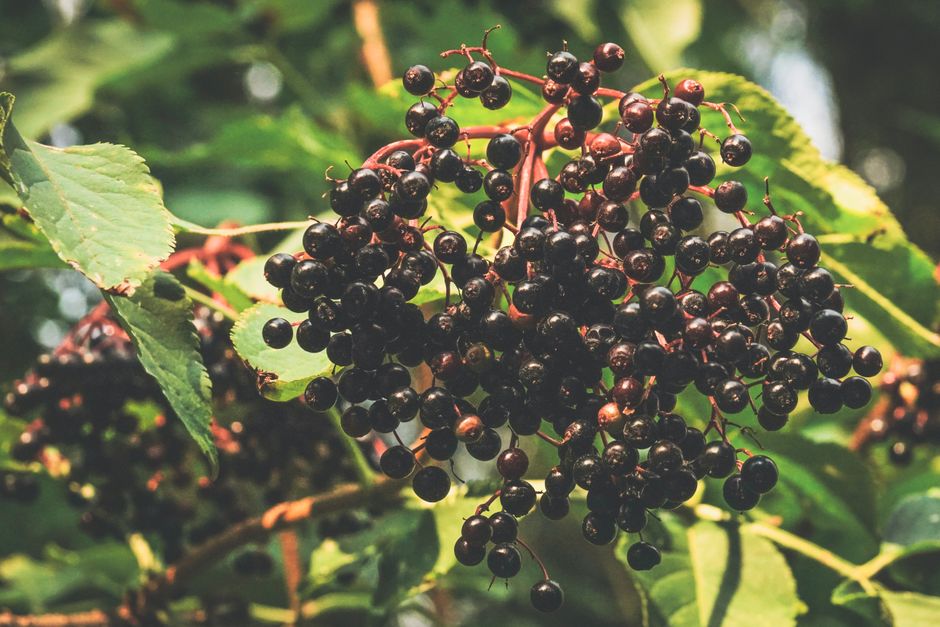
When the first chill of autumn settles in, many of us reach for a warm mug of tea or a spoonful of honey to soothe a scratchy throat. Among the pantry staples that have quietly earned a reputation for helping the respiratory system is black elderberry (Sambucus nigra) extract. Rich in flavonoids, anthocyanins, and vitamin C, the deep‑purple berries have been used for centuries in folk medicine, and modern research is beginning to illuminate how they may support the body’s natural defenses during cold and flu season.
What Science Shows
Scientific investigations into black elderberry have focused on three primary mechanisms that are relevant to respiratory health: antiviral activity, immune modulation, and antioxidant protection. While the evidence is still evolving, several well‑designed studies provide a consistent picture of potential benefits.
- In vitro experiments demonstrate that elderberry polyphenols can inhibit the attachment of influenza viruses to host cells, suggesting a direct antiviral effect.
- Randomized controlled trials with adults experiencing early‑stage upper‑respiratory infections have reported a modest reduction in symptom duration (about 2‑4 days) when participants took a standardized elderberry extract 2‑3 times daily.
- Measurements of cytokine levels in some studies indicate that elderberry may help balance pro‑inflammatory and anti‑inflammatory signals, which could support a more efficient immune response without excessive inflammation.
- High concentrations of anthocyanins and vitamin C provide antioxidant activity that protects airway epithelial cells from oxidative stress caused by viral replication and environmental pollutants.
It is important to note that most clinical trials have used extracts standardized to contain 30 to 45 % anthocyanins, and the observed effects are generally modest. No study to date has demonstrated that elderberry can cure an infection, but the data suggest it may help the body manage symptoms more comfortably.
Alpha01 Organic Elderberry Extract 7500mg Black Sambucus
High Strength Black Sambucus
The role of whole foods vs supplements
Whole black elderberries, fresh or frozen, deliver a complex matrix of fiber, vitamins, and phytochemicals that work together synergistically. However, the berries are highly perishable and contain relatively low concentrations of the active anthocyanins compared with concentrated extracts.
- Whole berries provide dietary fiber and a broader spectrum of nutrients, but achieving a therapeutic dose of anthocyanins would require consuming large quantities, which may be impractical for most people.
- Standardized extracts offer a consistent amount of bioactive compounds per serving, making it easier to follow research‑based dosing protocols.
- Bioavailability can differ; some studies suggest that the presence of other fruit compounds in whole berries may enhance absorption, while others show that the concentrated form in extracts is readily taken up when taken with a small amount of fat.
- Convenience is a key advantage of supplements: they are shelf‑stable, portable, and can be incorporated into daily routines without the need for cooking or preparation.
For individuals who already enjoy elderberries in smoothies, jams, or baked goods, the whole‑food approach can complement a supplement regimen, especially during periods of heightened respiratory stress.
Practical daily integration guidance
- Choose an extract that is standardized to contain 30 to 45 % anthocyanins and provides 300 to 500 mg of total extract per serving.
- Take 1 to 2 servings per day, ideally with meals to improve absorption of fat‑soluble compounds.
- If you prefer a liquid form, a dosage of 5 to 10 ml (approximately 1 to 2 teaspoons) of a 1 : 1 : 1 elderberry‑ginseng‑vitamin C syrup can be mixed into warm water or tea.
- Combine the supplement with other respiratory‑supportive habits: stay hydrated, maintain a balanced diet rich in vegetables, and engage in regular moderate‑intensity exercise (≈30 minutes of brisk walking most days).
- Store the product in a cool, dark place; sealed containers keep the anthocyanins stable for up to 12 months.
- People with autoimmune conditions, those taking immunosuppressive medication, or pregnant and nursing individuals should consult a healthcare professional before starting a new supplement.
A brief summary card comparing benefits and cautions
| Potential Benefits | Key Cautions |
|---|---|
| May help reduce the duration of mild upper‑respiratory symptoms when taken early in the course of illness. | Not a substitute for medical treatment; should not be used as the sole therapy for serious infections. |
| Provides antioxidant protection for airway cells, which may lessen oxidative stress from pollutants. | High doses can cause gastrointestinal upset; follow manufacturer dosing guidelines. |
| Contains vitamin C and flavonoids that support overall immune function. | Potential interactions with immunosuppressive drugs; professional advice recommended for those on such medications. |