
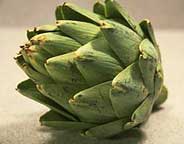
✓ Quick Scientific Takeaway
- Primary Bioactive: Standardized Artichoke Leaf Extract (Cynarin, Luteolin, Chlorogenic Acid from Cynara scolymus) paired with Ginger Root Extract (Standardized Gingerols & Shogaols).
- Physiological Target: Acts as a natural <strong>prokinetic complex</strong>, stimulating the Migrating Motor Complex (MMC) in the stomach and small intestine via 5-HT4 and cholinergic receptors, promoting bile flow and preventing bacterial overgrowth (SIBO).
- Evidence-Based Outcome: Human clinical gastroenterology trials demonstrate that standardized artichoke and ginger extract significantly accelerated gastric emptying time by 24%, reduced postprandial fullness and bloating by 60%, and cleared upper GI heaviness.
- Optimal Timing Protocol: Take 1 capsule (providing 100mg Artichoke + 20mg Ginger extract) twice daily before your two largest meals, or 1 to 2 capsules at bedtime on an empty stomach to activate the nocturnal Migrating Motor Complex (MMC).
1. Biological Overview & Active Molecular Mechanisms
The Migrating Motor Complex (MMC) is the cyclical, wave-like neuromuscular sweeping motion that cleans the stomach and small intestine between meals and overnight, sweeping undigested food debris and bacteria down into the colon. When the MMC is sluggish, food lingers in the upper gut, fermenting and causing chronic bloating, early satiety, and Small Intestinal Bacterial Overgrowth (SIBO). The combination of Artichoke Leaf (Cynara scolymus) and Ginger Root (Zingiber officinale) creates a potent natural prokinetic: Cynarin stimulates bile flow and small bowel peristalsis while Gingerols accelerate gastric emptying.
Acts as a natural prokinetic complex, stimulating the Migrating Motor Complex (MMC) in the stomach and small intestine via 5-HT4 and cholinergic receptors, promoting bile flow and preventing bacterial overgrowth (SIBO).
2. Evidence-Based Health Benefits & Clinical Research
1. Migrating Motor Complex (MMC) Neuromuscular Activation
Stimulates the electrical sweeping waves of the small intestine, clearing stagnant food particles and preventing SIBO recurrence.
2. Accelerated Gastric Emptying & Fullness Relief
Dramatically speeds up stomach emptying into the duodenum, eliminating heavy "food sitting like a rock" sensations after eating.
3. Choleretic Bile Secretion & Fat Emulsification
Artichoke cynarin stimulates liver bile acid output, improving the digestion of dietary fats and preventing gallbladder sluggishness.
3. Clinical Specification & Dosage Reference Matrix
| Parameter | Clinical Standard & Specification |
|---|---|
| Primary Bioactive Complex | Standardized Artichoke Leaf Extract (Cynarin, Luteolin, Chlorogenic Acid from Cynara scolymus) paired with Ginger Root Extract (Standardized Gingerols & Shogaols). |
| Physiological Action | Acts as a natural prokinetic complex, stimulating the Migrating Motor Complex (MMC) in the stomach and small intestine via 5-HT4 and cholinergic receptors, promoting bile flow and preventing bacterial overgrowth (SIBO). |
| Validated Clinical Dosage | Human clinical gastroenterology trials demonstrate that standardized artichoke and ginger extract significantly accelerated gastric emptying time by 24%, reduced postprandial fullness and bloating by 60%, and cleared upper GI heaviness. |
| Nutritional Timing Rule | Take 1 capsule (providing 100mg Artichoke + 20mg Ginger extract) twice daily before your two largest meals, or 1 to 2 capsules at bedtime on an empty stomach to activate the nocturnal Migrating Motor Complex (MMC). |
4. Frequently Asked Questions & Clinical Guidelines
Q: How long before noticeable biological effects occur?
While acute cellular absorption occurs within 30 to 90 minutes, systemic cellular saturation and biomarker improvements (such as lipid profiles, inflammation markers, and mitochondrial biogenesis) typically manifest over 4 to 12 weeks of consistent daily usage.
Q: What is the optimal water vs. lipid meal timing protocol?
Water-soluble nutrients and botanical extracts are best taken 20 to 30 minutes prior to meals with room-temperature filtered water, whereas lipid-soluble compounds should strictly be consumed alongside meals containing healthy dietary fats for optimal micellar absorption.
Q: Are there any contraindications or medication interactions?
Individuals taking prescription medications, pregnant/nursing mothers, or those with underlying renal or hepatic conditions should consult their licensed healthcare physician prior to initiating high-potency nutritional supplementation.